

Custom PVC Display Stand Manufacturer: How to Get Factory Prices Fast
By admin
Apr 28, 2026
Custom PVC Display Stand Manufacturer: How to Get Factory Prices Fast
If you’re sourcing custom PVC display stands, speed and cost efficiency often determine whether your project is profitable. The difference between retail pricing and true factory pricing can be 20–50%, but accessing those savings requires a structured sourcing approach—not guesswork. Here’s how to secure factory-direct pricing quickly and reliably.
1. Understand What “Factory Price” Really Means
Factory pricing is not just “cheap”—it reflects:
- Direct sourcing (no trading companies or middlemen)
- Optimized production runs (aligned with MOQ)
- Standardized materials and processes
However, the lowest quote is not always the best. Extremely low pricing can indicate:
- Substandard PVC sheets (recycled or low-density)
- Poor printing quality (fading UV print)
- Weak structural design
Key takeaway: Focus on value per unit, not just unit price.
2. Prepare a Production-Ready RFQ (Request for Quotation)
Factories respond faster—and with better pricing—when your RFQ is detailed. Include:
- Product dimensions (L × W × H)
- Material thickness (e.g., 3mm, 5mm PVC foam board)
- Printing method (UV printing, silk screen, lamination)
- Load requirements (e.g., holds 5kg chargers)
- Quantity (MOQ vs bulk tiers)
- Packaging requirements (flat pack, assembled, carton specs)
Pro tip: Attach sketches or 3D drawings. Even a simple mockup reduces back-and-forth delays.
3. Choose the Right Manufacturer Type
Not all suppliers are equal. You’ll typically encounter:
| Supplier Type | Advantage | Risk |
|---|---|---|
| Direct Factory | Lowest cost, full customization | Communication barriers |
| Trading Company | Faster communication | Higher price markup |
| Hybrid Supplier | Balanced approach | Limited transparency |
To get factory pricing fast, prioritize:
- Factories with in-house cutting, printing, and assembly
- Suppliers with export experience (reduces errors and delays)
4. Leverage MOQ Strategically
Factories optimize production based on volume. To unlock lower pricing:
- Ask for tiered pricing (e.g., 500 / 1000 / 3000 units)
- Combine SKUs into a single production run
- Negotiate using forecasted repeat orders
Example:
Instead of ordering 500 units once, commit to:
- 500 units now
- 500 units next month
This often reduces unit cost immediately.
5. Use the Right Materials to Control Cost
PVC display stands vary widely in cost depending on material specs:
- PVC Foam Board (most common) – lightweight, cost-effective
- Rigid PVC Sheet – stronger but more expensive
- Expanded PVC – balance of strength and price
Cost-saving strategies:
- Reduce thickness where structurally possible
- Use partial printing instead of full coverage
- Optimize design for flat-pack shipping
6. Request Rapid Prototyping
Speed matters. Ask for:
- Digital mockups within 24–48 hours
- Sample production in 3–5 days
Some advanced factories offer:
- CNC cutting + UV printing in-house
- Instant dieline generation
This significantly shortens your sourcing cycle.
7. Negotiate Beyond Unit Price
Many buyers focus only on per-unit cost—but total landed cost matters more.
Negotiate:
- Free samples (or refundable sample fees)
- Packaging optimization (reduces shipping volume)
- Consolidated shipping options
- Payment terms (30/70, or better for repeat orders)
8. Verify Before You Scale
Before placing a bulk order:
- Check sample quality (print clarity, edge finishing)
- Confirm load-bearing stability
- Review packing method (damage risk during shipping)
If possible:
- Request factory photos or video audits
- Verify certifications (ISO, SGS, etc.)
9. Speed Up Communication
Delays often come from unclear communication. To move faster:
- Use concise, technical language
- Confirm all specs in a single document
- Avoid frequent design changes after quotation
Best practice: Assign one point of contact on both sides.
10. Work with a Long-Term Supplier Strategy
The fastest way to get factory pricing is not a one-time negotiation—it’s a relationship.
Reliable manufacturers will:
- Offer better pricing over time
- Prioritize your production slots
- Provide design optimization suggestions
How Custom PVC Display Stands Are Used in Electric Products
Custom PVC display stands are widely deployed in the consumer electronics sector because they combine lightweight structure, cost efficiency, and strong visual merchandising capability. Their role is not just to “hold” products—it’s to drive conversion, organize SKUs, and communicate product value at the point of sale.
1. Product Presentation and Visibility
Electric products such as:
- Phone chargers
- Power banks
- Earphones
- Smart accessories
are often small and easily overlooked on shelves. PVC display stands solve this by:
- Elevating products to eye-level positioning
- Using tiered layouts for multi-SKU visibility
- Integrating branded graphics (UV printed panels)
Result: Higher product exposure → increased impulse purchases.
2. Structured SKU Organization
Retail environments require clear categorization. Custom PVC stands allow:
- Dedicated slots for different models (e.g., fast charger vs standard charger)
- Label zones for specifications (wattage, compatibility)
- Modular compartments for accessories
This is especially important for electronics where technical differentiation influences buying decisions.
3. Load-Bearing and Stability Design
Although PVC is lightweight, properly engineered stands can support:
- Multiple boxed chargers
- Medium-weight devices (power banks, routers)
Key structural features include:
- Reinforced base panels
- Interlocking joints or slot-fit assembly
- Thickness optimization (typically 3–5mm PVC foam board)
For heavier electric items, hybrid designs may combine PVC + metal supports.
4. Branding and Technical Communication
Unlike generic shelving, custom PVC displays function as silent salespeople:
- Printed specs: voltage, wattage, fast-charging protocols
- Compatibility icons (iOS, Android, USB-C, etc.)
- Promotional messaging (e.g., “Fast Charge 60W”)
High-resolution UV printing ensures:
- Fade resistance
- Sharp color contrast
- Professional retail appearance
5. Space Optimization in Retail Stores
Electric product retailers often operate with limited space. PVC display stands are designed for:
- Countertop placement (POS areas)
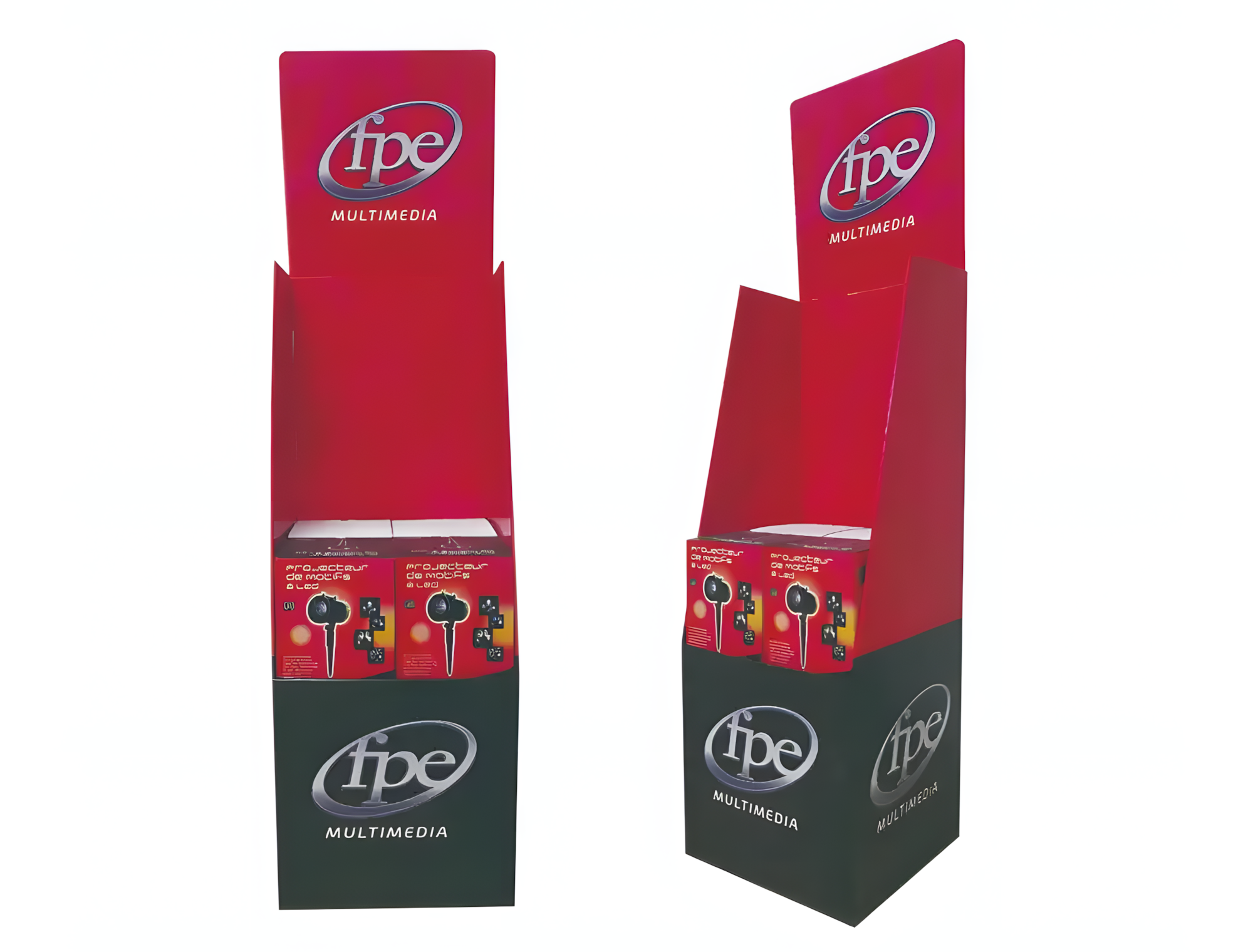
- Floor-standing units with vertical storage
- Wall-mounted lightweight panels
Flat-pack designs also allow:
- Easy transport
- Quick in-store assembly
6. Cost-Effective Mass Deployment
For brands launching products across multiple stores, PVC stands offer:
- Low tooling cost compared to metal or wood
- Fast production cycles
- Scalable customization (logo, color, structure)
This makes them ideal for:
- Promotional campaigns
- New product launches
- Seasonal retail rollouts
7. Security and Anti-Theft Features
In electronics retail, theft prevention is critical. Custom PVC displays can include:
- Cable tie slots for securing demo units
- Lockable compartments for high-value items
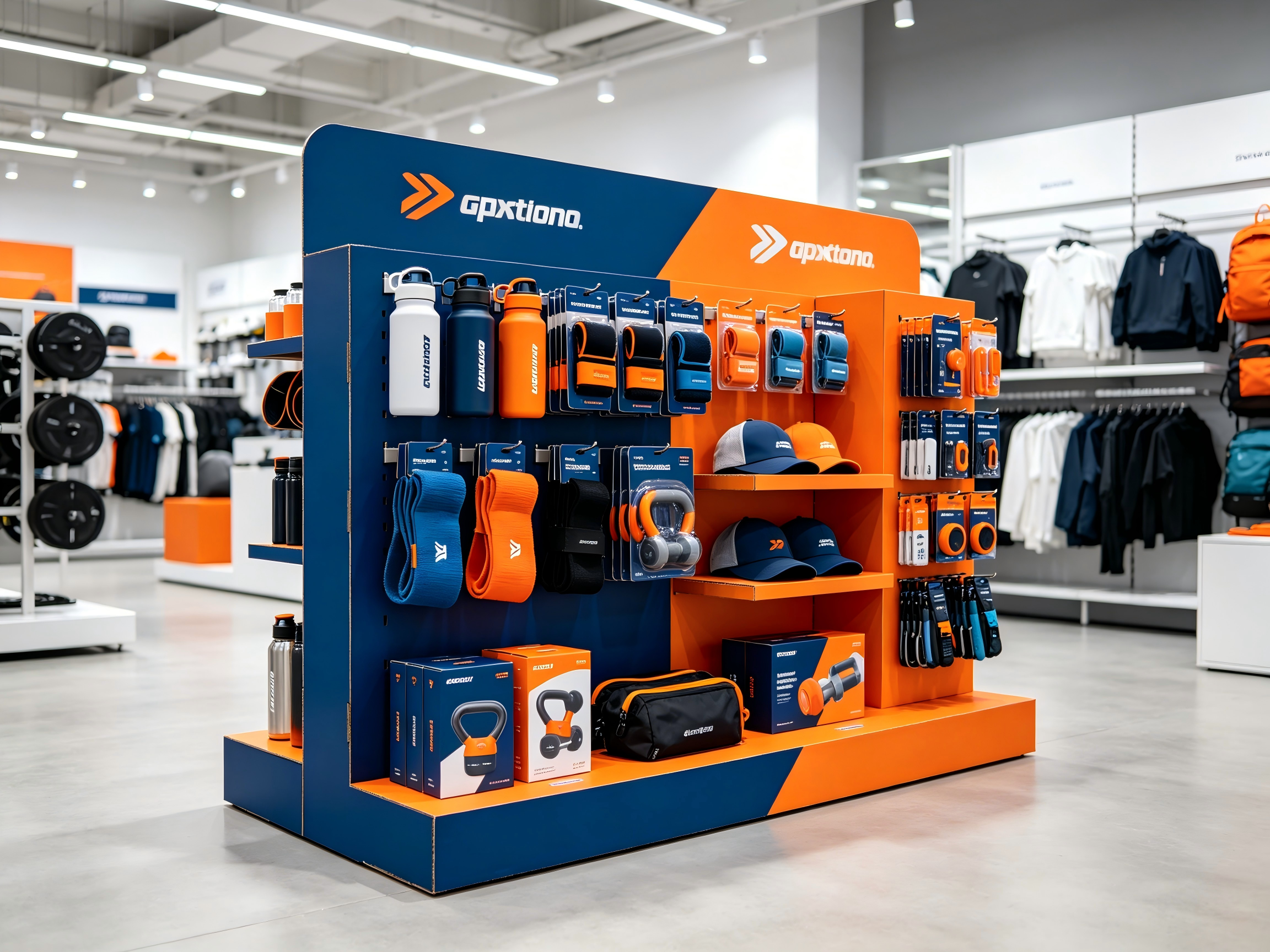
- Integrated hooks for blister-packed accessories
8. Application Scenarios
Custom PVC display stands are commonly used in:
- Electronics stores – organized product showcasing
- Supermarkets – impulse-buy charger displays stand
- Mobile accessory shops – compact countertop units
- Trade shows – branded product presentation booths
9. Design Considerations for Electric Products
When designing a PVC display for electronics, focus on:
- Heat resistance (for demo devices)
- Cable management (charging demos)
- Durability (frequent customer interaction)
- Compact footprint (high SKU density)
Conclusion
Custom PVC display stands are a strategic retail tool in the electric product industry. They combine visual merchandising, structural efficiency, and cost control, making them ideal for showcasing small to medium-sized electronic accessories.
When properly designed, they don’t just display products—they enhance brand perception, simplify customer decisions, and directly increase sales performance.
Previous Article
Herstellungsprozess von E-Zigaretten-Displayständern: Professionelle Produktionsverfahren und Fertigungsabläufe

Next Article
Accessories Display Stand in Electronics Retail: 10 Powerful Strategies to Boost Sales and Maximize Profit

Trusted by These Featured Clients