

Custom POP Display: Manufacturing, Strategy, and Future Development 2026
By admin
May 27, 2026
Understanding POP Displays in Modern Retail
What POP Displays Really Mean in 2026
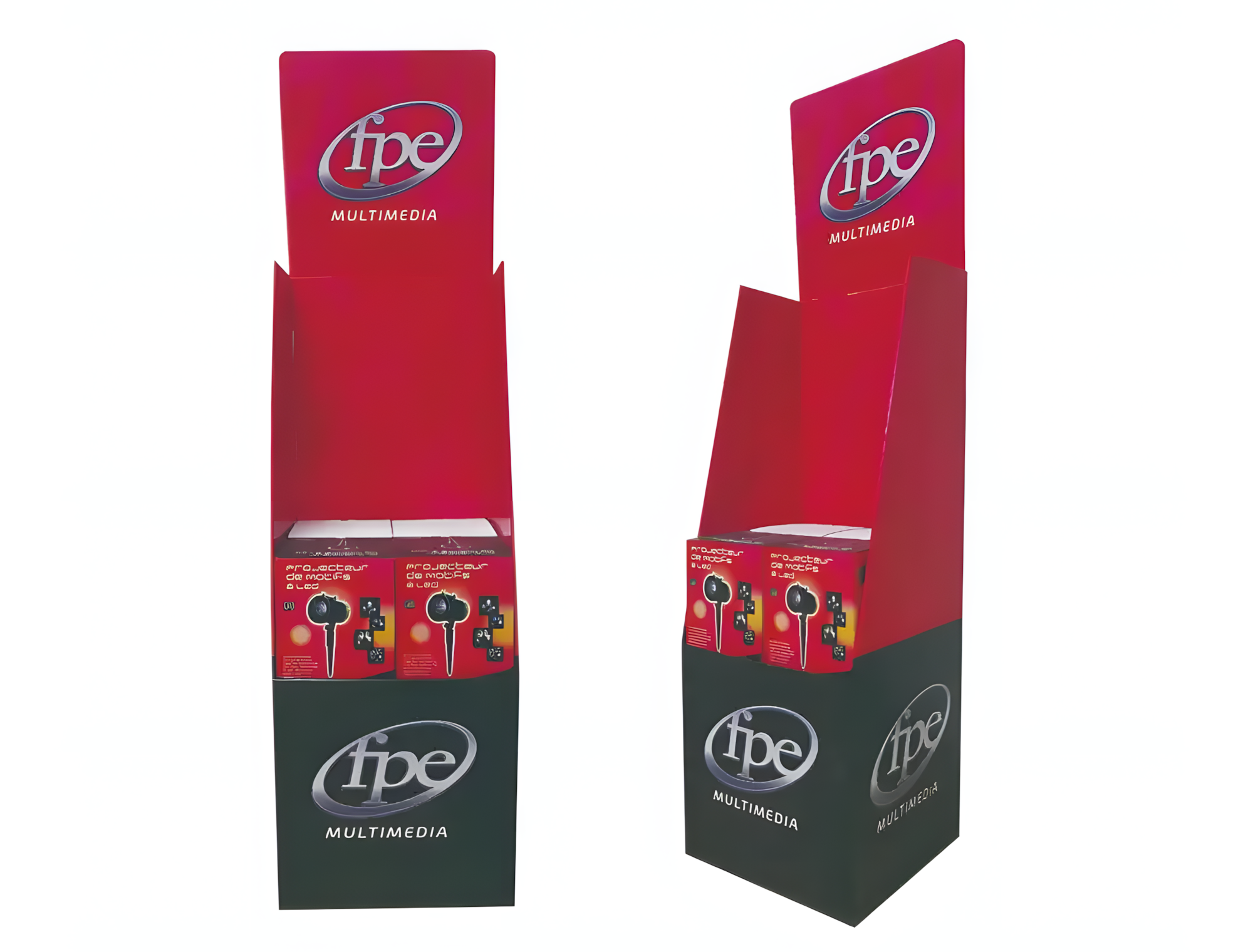
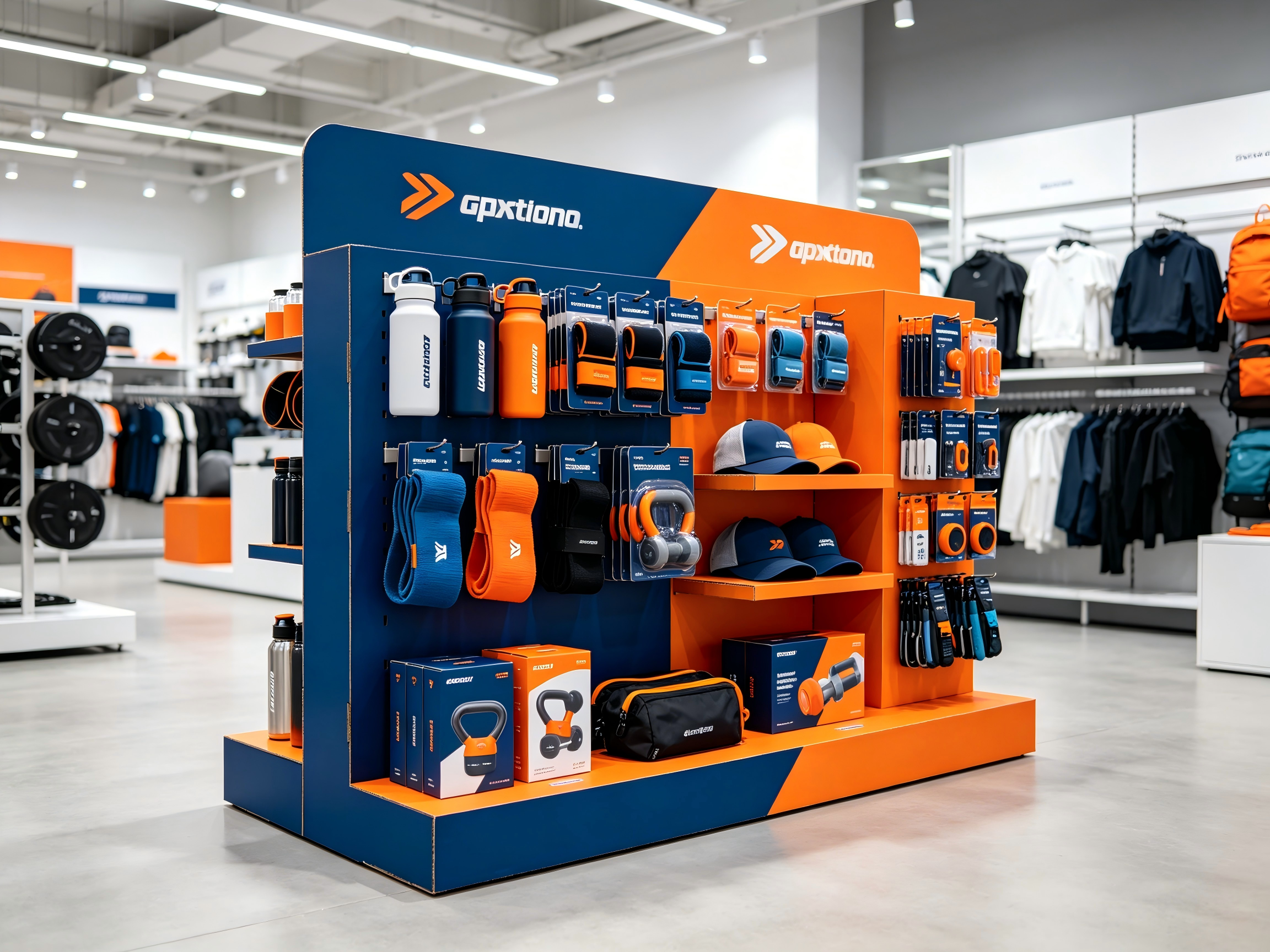
The retail world in 2026 looks dramatically different from what it did just a few years ago. Online shopping continues to dominate many product categories, yet physical retail stores remain powerful because they offer something e-commerce still struggles to replicate: real-world sensory engagement. This is exactly where custom POP displays become critical. POP, or Point of Purchase displays, are no longer simple cardboard stands sitting near checkout counters. Today, they are strategic retail communication systems designed to capture attention, guide consumer behavior, and increase conversion rates inside stores.
Modern POP displays combine branding, structural engineering, psychology, and technology into a single retail tool. Retailers are demanding displays that are visually striking, modular, sustainable, and increasingly interactive. According to recent 2026 retail trend reports, digital integration, sustainable materials, and immersive experiences are among the biggest drivers shaping retail display innovation.
Think of a custom POP display like a silent salesperson. It speaks to customers without words. The colors, lighting, structure, and placement all work together to influence purchase decisions within seconds. In crowded retail environments where consumers are overwhelmed with choices, the right display acts like a lighthouse in a storm, guiding attention directly toward a product or brand.
Brands across cosmetics, electronics, beverages, tobacco alternatives, snacks, and luxury goods are increasing investment in personalized POP solutions because generic shelving simply no longer delivers strong engagement. The rise of experiential retail means shoppers expect more than products; they expect interaction, storytelling, and emotional connection.
Why Retailers Still Invest in Physical Displays
Many people assume digital commerce will eventually eliminate physical retail displays, but reality tells a very different story. Physical retail continues evolving rather than disappearing. In fact, brands are investing heavily in experiential merchandising because consumers still enjoy tactile shopping experiences. Human beings naturally respond to visual stimulation, spatial arrangement, and environmental storytelling in ways that online images cannot fully replicate.
Custom POP displays help retailers increase impulse purchases, improve brand recall, and maximize limited retail space. A strategically positioned display can dramatically influence buying decisions during the final seconds before purchase. Studies across retail industries consistently show that shoppers often make unplanned purchases when products are presented attractively near decision-making zones.
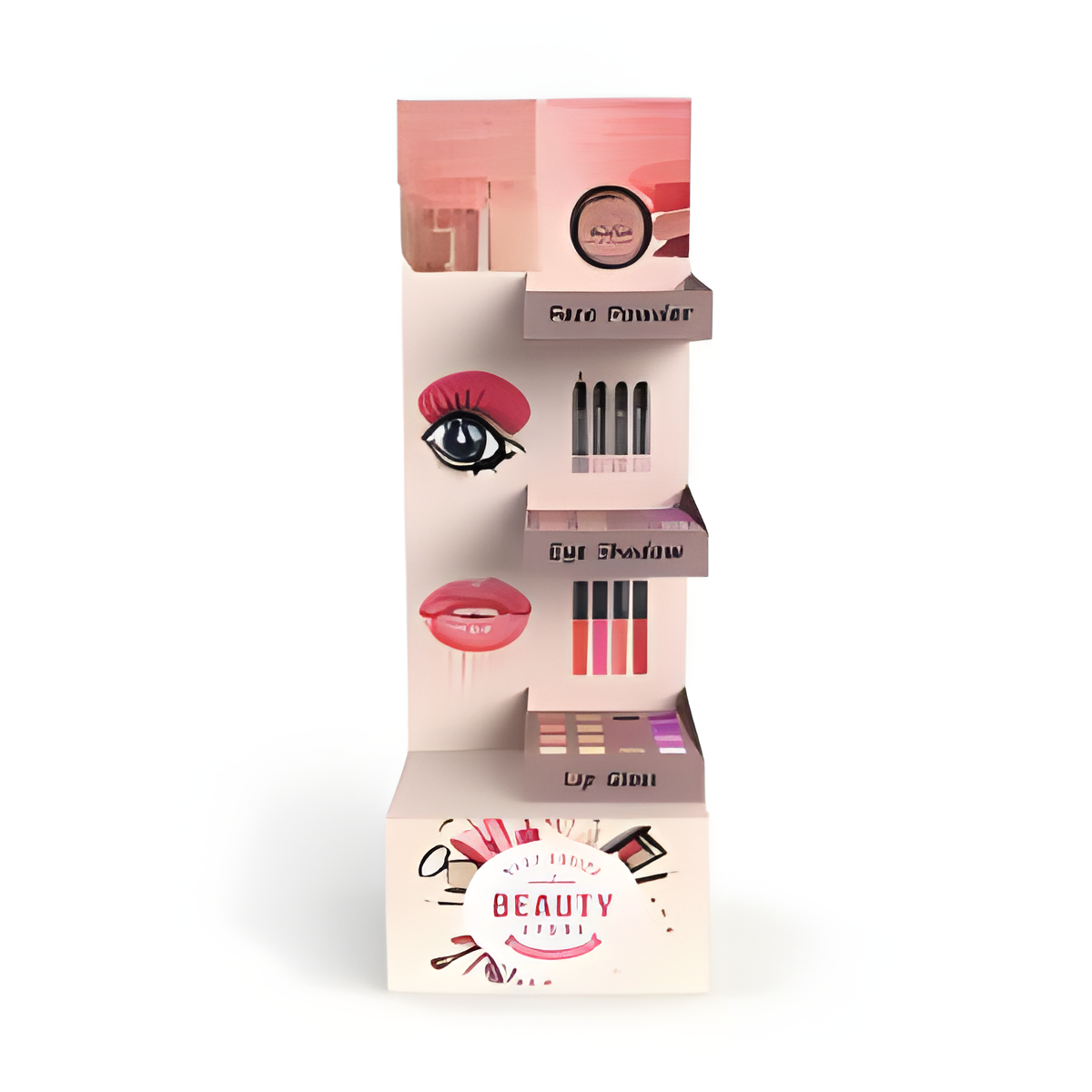
Retailers also understand that displays create identity. Imagine walking into a premium cosmetics store with elegant illuminated acrylic displays versus entering a cluttered aisle filled with generic shelving. The perception of product quality instantly changes based on presentation. This psychological effect is one reason luxury brands invest heavily in custom fabrication and visual merchandising.
Another major reason physical displays remain essential is omnichannel integration. Retail spaces are now designed to connect offline and online experiences seamlessly. QR codes, NFC technology, touchscreen displays, and AI-powered engagement systems allow physical displays to become digital gateways. According to multiple 2026 retail trend reports, interactive and digital-first merchandising is becoming one of the most influential retail strategies globally.
The Evolution of Custom POP Display Manufacturing
Traditional Manufacturing vs Smart Manufacturing
POP display manufacturing has transformed dramatically over the past decade. Traditional production methods relied heavily on manual labor, simple fabrication techniques, and large-volume standardization. Today, manufacturing is increasingly driven by automation, digital prototyping, precision engineering, and AI-assisted production systems.
Modern factories use CNC routing, laser cutting, robotic assembly, and advanced digital printing technologies to produce highly customized retail displays at scale. Smart manufacturing allows businesses to shorten lead times while improving consistency and reducing waste. Instead of producing generic displays in bulk, manufacturers can now create highly personalized solutions tailored to specific campaigns, retail layouts, and customer demographics.
AI and machine learning are also entering manufacturing ecosystems. Research into smart manufacturing in 2026 highlights how AI-driven systems are improving predictive maintenance, logistics optimization, and sustainable production strategies. This means factories are becoming more efficient, reducing downtime and improving operational accuracy.
Digital twin technology is another growing trend. Manufacturers can now simulate display performance before production begins. This reduces prototyping costs while allowing retailers to visualize store layouts and customer interactions ahead of deployment. It is similar to building a virtual retail universe before constructing the physical one.
The shift toward modular manufacturing is equally important. Retailers increasingly prefer reusable display systems that can adapt to seasonal promotions and product launches without requiring complete redesigns. Reports from retail display manufacturers indicate that modular and reconfigurable systems are among the strongest trends shaping 2026 merchandising strategies.
Popular Materials Used in POP Displays
Acrylic and PETG Applications
Acrylic remains one of the most popular materials in POP display manufacturing because it combines durability, transparency, elegance, and flexibility. Acrylic displays create a premium appearance while maintaining excellent structural integrity. This material is especially common in cosmetics, electronics, vape accessories, and luxury retail environments where visual clarity matters.
PETG is also gaining traction because it offers excellent impact resistance and improved sustainability compared to some traditional plastics. Retailers increasingly seek materials that balance aesthetics with environmental responsibility.
Transparent materials create a floating visual effect that helps products stand out more dramatically. In many retail spaces, acrylic displays function almost like museum showcases, elevating products psychologically in the minds of consumers.
Sustainable Wood and Corrugated Materials
Sustainability is no longer optional in retail manufacturing. Around 70% of consumers prefer environmentally responsible brands, and sustainability expectations continue rising globally. As a result, many POP manufacturers are shifting toward recyclable corrugated cardboard, FSC-certified wood, biodegradable materials, and reusable modular systems.
Corrugated displays remain highly effective for temporary promotions because they are lightweight, affordable, customizable, and recyclable. Meanwhile, wood-based displays create premium organic aesthetics that align with eco-conscious branding strategies.
Some manufacturers now design displays specifically for disassembly and reuse. Flat-pack engineering reduces shipping costs while minimizing environmental impact. Retailers increasingly prefer long-term display systems that can be refreshed rather than discarded after short campaigns.
Key Manufacturing Processes Behind POP Displays
CNC Cutting and Laser Fabrication
Precision manufacturing defines modern POP production. CNC cutting technology allows manufacturers to produce highly accurate components with minimal waste. Whether fabricating acrylic, MDF, aluminum, or composite materials, CNC systems ensure consistency across large production volumes.
Laser cutting has become particularly valuable for intricate branding details, decorative patterns, and complex geometric structures. The precision resembles surgical craftsmanship. Tiny design features that once required extensive manual labor can now be produced rapidly with near-perfect accuracy.
These technologies also accelerate prototyping. Designers can quickly create test versions, modify structures, and optimize assembly processes before mass production begins. Speed matters enormously in retail because promotional campaigns often operate on tight schedules.
Digital Printing and UV Printing
Visual impact sits at the core of POP effectiveness. Advanced digital printing technologies allow manufacturers to produce vibrant graphics with exceptional detail and durability. UV printing is especially popular because it creates scratch-resistant finishes and supports printing directly onto rigid surfaces like acrylic, wood, PVC, and metal.
Retailers now expect photographic-quality visuals combined with rapid turnaround times. Seasonal campaigns change quickly, meaning manufacturers must respond with speed and flexibility. Digital printing enables shorter production runs without sacrificing quality.
Customization is another major advantage. Brands can personalize displays for different regions, retail chains, or customer segments without completely redesigning manufacturing processes. This flexibility is essential in a fragmented retail environment where localized marketing increasingly influences consumer engagement.
Assembly, Packaging, and Logistics
Manufacturing does not end when the display is fabricated. Logistics and assembly play equally important roles in POP success. Displays must survive transportation, arrive efficiently, and assemble quickly inside stores.
Flat-pack engineering has become increasingly popular because it reduces shipping volume and lowers freight costs. Some advanced display systems now feature tool-free assembly, allowing retail staff to install displays rapidly without specialized training.
Supply chain reliability remains a major challenge in 2026. Global material fluctuations, shipping delays, and tariff uncertainties continue affecting manufacturing industries worldwide. Successful POP manufacturers are responding by diversifying suppliers, localizing production where possible, and designing displays that optimize freight efficiency.
Strategic Value of Custom POP Displays
How POP Displays Influence Consumer Psychology
Retail psychology is deeply connected to visual merchandising. Consumers often make emotional purchasing decisions before rationalizing them logically. Custom POP displays influence those emotional triggers through color, structure, lighting, motion, and placement.
A bright illuminated display creates excitement. Minimalist luxury fixtures create exclusivity. Eco-friendly wooden displays communicate sustainability and authenticity. Every visual element shapes consumer perception subconsciously.
Retailers understand that attention is one of the most valuable currencies in modern commerce. Consumers are bombarded with information everywhere they go. A well-designed POP display interrupts visual monotony and redirects focus instantly.
Interactive displays take this even further. Motion sensors, touchscreen experiences, and QR-enabled engagement systems transform passive browsing into active participation. Reports show that shoppers are significantly more likely to engage with digital displays compared to traditional static signage.
Branding and Retail Storytelling
The best POP displays do not simply showcase products; they tell stories. Modern consumers buy experiences, emotions, and identity as much as they buy physical goods.
A skincare display might communicate natural purity through wood textures and soft lighting. A gaming display might use LED lighting and futuristic design language to create excitement. Beverage brands often use immersive color palettes and bold graphics to reinforce lifestyle positioning.
Storytelling through displays helps brands stand out in competitive retail environments. It transforms products from commodities into experiences. This emotional differentiation becomes especially important when consumers can easily compare prices online.
Increasing Impulse Purchases Through Placement
Impulse purchasing remains one of the biggest reasons retailers invest in POP displays. Strategic positioning near checkout counters, aisle intersections, and high-traffic zones dramatically increases visibility.
Retail displays work like road signs guiding customer attention through stores. Eye-level placement, lighting contrast, and interactive elements encourage spontaneous decision-making. This is particularly effective for snacks, cosmetics, accessories, nicotine pouches, electronics accessories, and seasonal products.
Retailers increasingly combine data analytics with merchandising strategy. Smart displays equipped with sensors and analytics tools can now measure engagement levels, dwell time, and customer interaction patterns. This data-driven approach helps optimize placement strategies continuously.
POP Display Trends Shaping 2026
Interactive Digital Displays
Digital integration is no longer futuristic; it is rapidly becoming standard retail practice. Touchscreens, motion sensors, QR engagement, and video integration are transforming static displays into dynamic communication systems.
Interactive displays increase engagement by encouraging participation. Consumers can watch product demonstrations, browse variations, or interact with brand storytelling directly from the display itself. This creates deeper emotional engagement while improving information delivery.
AI and Smart Retail Integration
Artificial intelligence is beginning to reshape retail merchandising. AI-enabled displays can adapt content dynamically based on demographics, environmental conditions, or shopping behavior. Some systems already support predictive maintenance, audience analytics, and automated content optimization.
The future points toward increasingly personalized retail environments where displays respond intelligently to customer interaction patterns.
Modular and Reusable Display Systems
Flexibility is essential in modern retail. Modular systems allow retailers to refresh campaigns without replacing entire display structures. This reduces costs while improving sustainability.
Retail trend analysts identify modular design as one of the strongest manufacturing priorities for 2026 because retailers demand adaptable systems capable of evolving alongside campaigns and seasonal promotions.
Sustainable POP Display Solutions
Environmental responsibility now influences purchasing decisions significantly. Retailers and consumers alike expect sustainable manufacturing practices, recyclable materials, and reduced waste systems.
Brands investing in eco-friendly POP displays gain both reputational and operational advantages. Sustainable displays often reduce logistics costs while aligning with corporate ESG goals.
Challenges Facing POP Display Manufacturers
Rising Material Costs and Supply Chain Risks
Manufacturers continue facing volatility in material pricing, freight costs, and supply chain stability. Acrylic, metals, electronic components, and wood materials have all experienced pricing fluctuations in recent years.
Tariffs and geopolitical uncertainty also impact sourcing strategies. Manufacturers must balance cost control with reliability, which often requires diversified supplier networks and more localized production models.
Retail Space Limitations
Retail real estate remains expensive, meaning every square foot must justify its value. POP displays must maximize visibility while minimizing footprint.
This challenge is pushing manufacturers toward vertical merchandising systems, modular configurations, and multifunctional designs that optimize limited space efficiently.
Future Development of POP Displays
Smart Data-Driven Retail Experiences
The future of POP displays will revolve around data. Smart retail systems already measure engagement, traffic flow, and interaction behavior. Future displays may dynamically adjust content based on real-time analytics.
Imagine entering a store where displays adapt automatically to demographics, weather conditions, or time of day. This level of personalization is moving closer to reality as AI and IoT technologies evolve.
AR, QR, and Immersive Technology
Augmented reality and QR integration are transforming displays into digital gateways. Consumers can scan displays to access immersive product experiences, virtual demonstrations, or personalized offers.
Glasses-free 3D display technology is also emerging rapidly. Samsung recently showcased AI-powered retail ecosystems and spatial signage capable of delivering immersive 3D visual experiences without wearable devices.
This represents a major shift toward experiential retail environments that blur the boundary between physical and digital engagement.
The Role of Automation and Robotics
Automation will increasingly dominate POP manufacturing. Robotics improve consistency, reduce labor dependency, and accelerate production efficiency.
Factories using AI-driven systems, predictive analytics, and automated assembly lines will likely outperform competitors in both cost control and scalability. Smart manufacturing ecosystems are becoming essential rather than optional.
Conclusion
Custom POP displays in 2026 are far more than decorative retail fixtures. They represent the intersection of manufacturing innovation, retail psychology, digital technology, and strategic branding. As retail competition intensifies, brands must create immersive, memorable experiences that capture attention instantly and influence buying behavior effectively.
The future belongs to displays that are sustainable, modular, intelligent, and interactive. Manufacturers that embrace AI, automation, eco-friendly materials, and experiential design will lead the next generation of retail merchandising.
Physical retail is not disappearing. It is evolving into something smarter, more emotional, and more technologically connected. Custom POP displays sit directly at the center of that transformation.
FAQs
1. What does POP display mean in retail?
POP stands for Point of Purchase display. It refers to custom retail fixtures designed to attract customer attention and increase product sales within stores.
2. Why are custom POP displays important in 2026?
They help brands improve customer engagement, increase impulse purchases, support omnichannel marketing, and create immersive retail experiences.
3. What materials are commonly used in POP displays?
Popular materials include acrylic, PETG, corrugated cardboard, MDF, wood, metal, and sustainable composite materials.
4. How is AI affecting POP display manufacturing?
AI improves manufacturing efficiency, predictive maintenance, digital personalization, audience analytics, and smart retail integration.
5. What are the biggest POP display trends for 2026?
The major trends include digital interactivity, sustainability, modular systems, AI-powered displays, immersive technology, and smart analytics integration.
Previous Article
Custom Snus Display Rack With Logo: Complete Buyer’s Guide
Next Article
Custom World Cup Merchandise Display Racks: The Ultimate Guide for Retail Brands in 2026
Trusted by These Featured Clients