Easter is a significant Christian holiday commemorating Jesus Christ’s resurrection. Eggs are given new life and rebirth during this holiday.
The term “traditional Easter eggs” typically refers to either decorated real eggs or chocolate or candy treats in the shape of eggs. These colored eggs are frequently painted or dyed, then given as presents to loved ones or hidden for kids to discover as a fun game.
To find out whose egg can roll the farthest without shattering, some cultures also hold “egg rolling” contests.
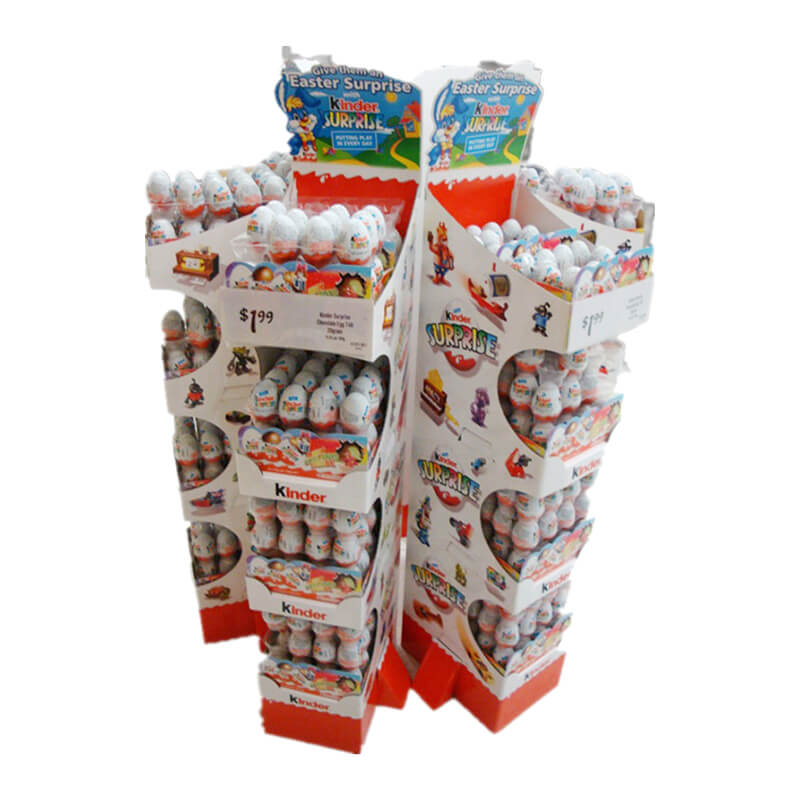
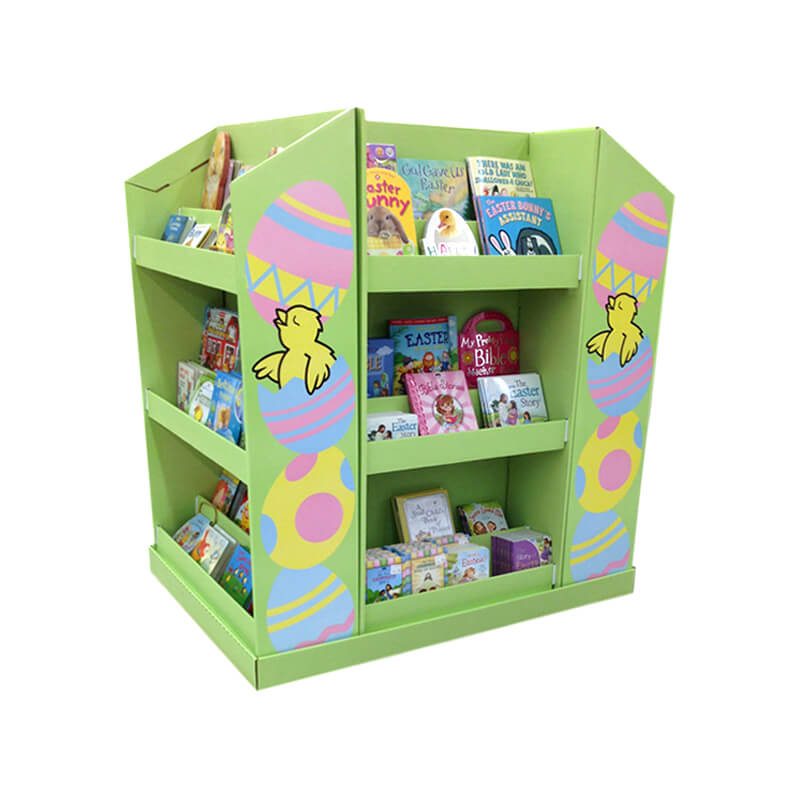
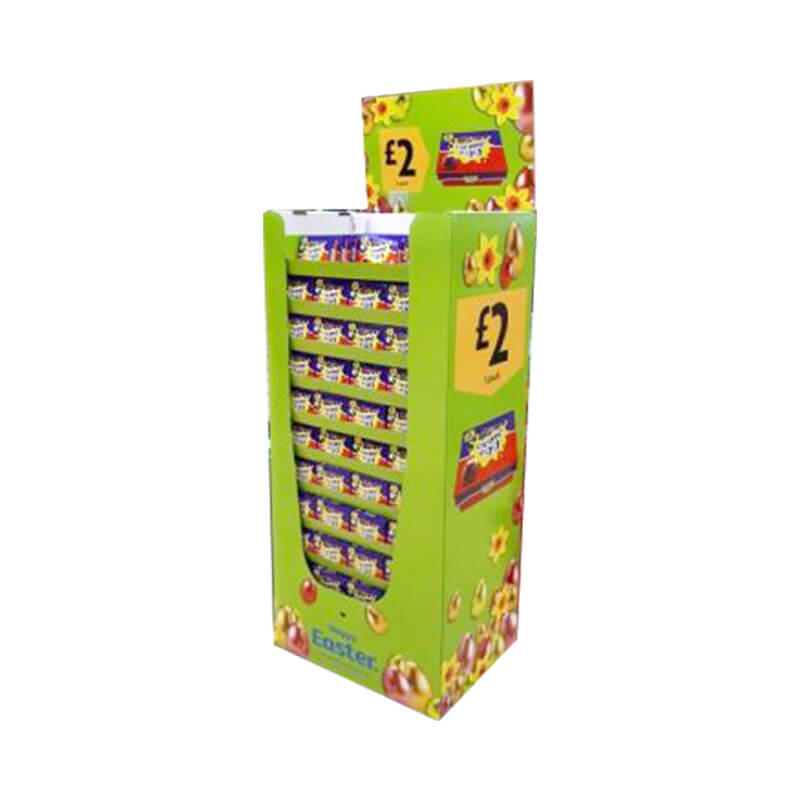
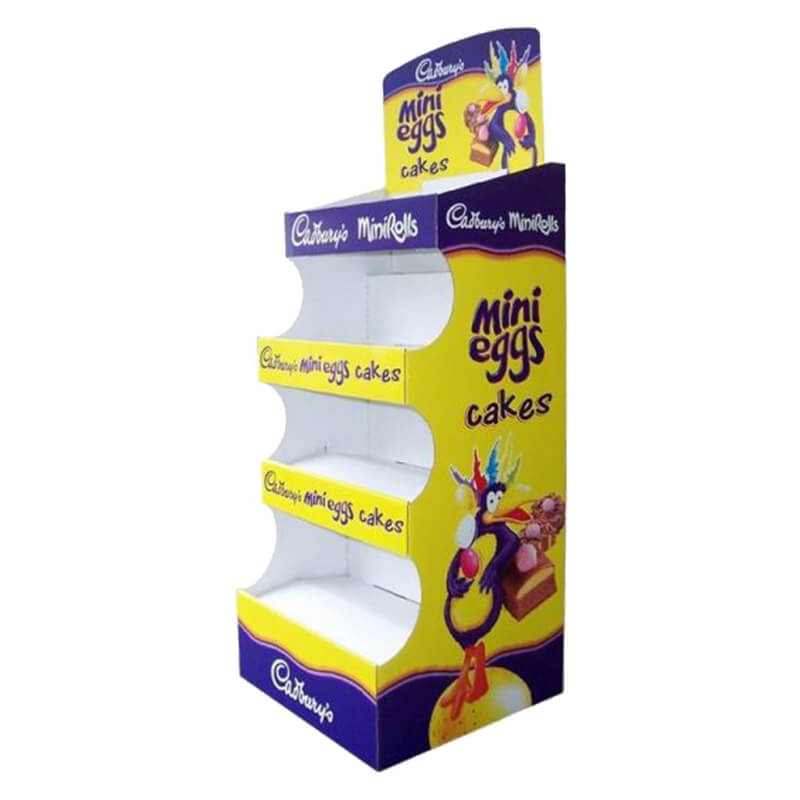
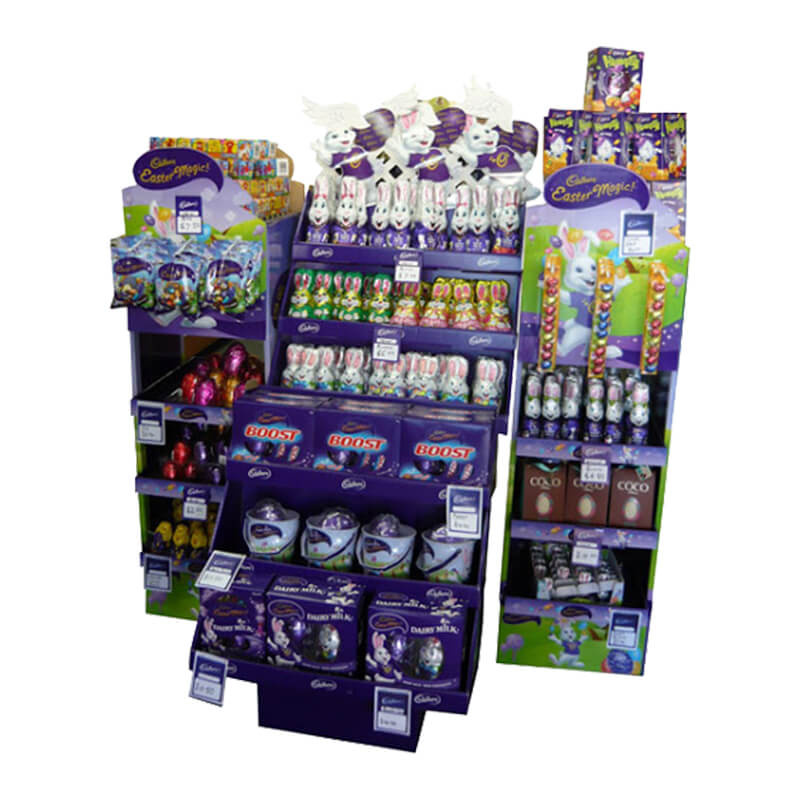
A cardboard floor display stand for Easter eggs is a device designed to display and sell Easter eggs or other Easter related merchandise. Corrugated cardboard is typically used to make these displays because it is sturdy, lightweight, and can be printed to suit a wide range of design decorations. Here are some key points about Easter egg cardboard displays:
Design Considerations
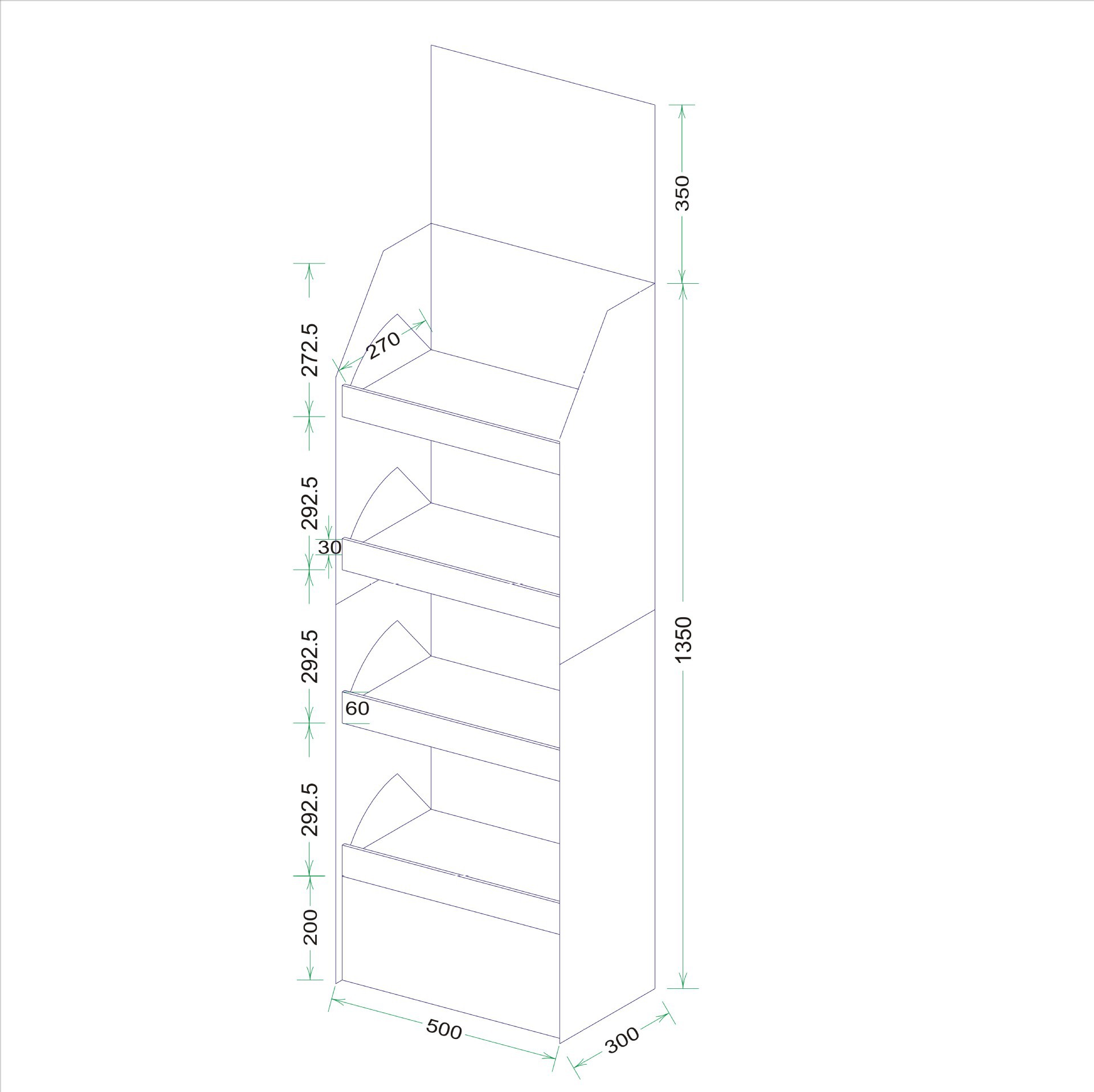
- Size and capacity: The exact size of the display is determined by the size and number of Easter eggs to be displayed. It can be a single or
- multi-tier design to maximise the use of space.
- Stability: Ensure that the display remains stable and does not fall over when loaded with Easter eggs, especially in high traffic shops or events.
- Visual appeal: to attract customers’ attention through bright colours, patterns (e.g. Easter-themed elements such as bunnies and chicks) and brand logos.
- Ease of assembly: For easy transport and storage, many displays are designed to be flat-packed for quick assembly.
Functional features
- Customizable: The design can be altered to reflect the merchant’s brand and product attributes.
- Interactivity: To boost customer engagement, some high-end displays may have interactive features like rotating screens or integrated lighting effects.
- Eco-friendly materials: Utilizing sustainable materials, like recycled cardboard, satisfies contemporary consumers’ demands for environmental preservation.
Production Process
- Demand analysis: Clarify the customer’s requirements for the display stand, including budget, style preference, and expected functions.
- Design stage: Designer draws preliminary sketches according to customer’s requirements and simulates a 3D model through software for customer’s preview.
- Sample production: A small number of samples are produced for customer review to ensure that all details meet the requirements.
- Mass Production: Mass production begins after confirmation.
- Quality control: Strict quality checks are carried out on the finished products to ensure that each display stand meets the standards.
In summary, one of the best ways to store and display Easter eggs is with corrugated display racks. This is because the festive, customized display, which will only be used for a short time, needs features like low cost, ease of customization, and the potential to increase sales, and these corrugated racks are the perfect solution.
Easter is an important Christian holiday that celebrates the resurrection of Jesus Christ. During this holiday, eggs are given a new life and rebirth.
Traditional Easter eggs usually refer to decorated real eggs or egg-shaped treats made from chocolate or candy. These coloured eggs are often dyed or painted and then used as gifts for family and friends, or hidden for children to find as a playful activity.
In some cultures, people also play ‘egg rolling’ competitions to see whose egg can roll the furthest without breaking.
A cardboard floor display stand for Easter eggs is a device designed to display and sell Easter eggs or other Easter related merchandise. These displays are usually made using corrugated cardboard, as corrugated cardboard is both lightweight and strong, and also has good printing suitability for a variety of design decorations. Here are some key points about Easter egg cardboard displays:
Design Considerations
- Size and capacity: The exact size of the display is determined by the size and number of Easter eggs to be displayed. It can be a single or
- multi-tier design to maximise the use of space.
- Stability: Ensure that the display remains stable and does not fall over when loaded with Easter eggs, especially in high traffic shops or events.
- Visual appeal: to attract customers’ attention through bright colours, patterns (e.g. Easter-themed elements such as bunnies and chicks) and brand logos.
- Ease of assembly: For easy transport and storage, many displays are designed to be flat-packed for quick assembly.
Functional features
- Customisable: The design can be personalised according to the brand image and product characteristics of the merchant.
- Interactivity: Some high-end displays may include interactive elements, such as rotating displays or built-in lighting effects, to increase
- consumer engagement.
- Environmentally friendly materials: Use of sustainable materials, such as recycled cardboard, meets the needs of modern consumers for environmental protection.
Production Process
- Demand analysis: Clarify the customer’s requirements for the display stand, including budget, style preference, and expected functions.
- Design stage: Designer draws preliminary sketches according to customer’s requirements and simulates a 3D model through software for customer’s preview.
- Sample production: A small number of samples are produced for customer review to ensure that all details meet the requirements.
- Mass Production: Mass production begins after confirmation.
- Quality control: Strict quality checks are carried out on the finished products to ensure that each display stand meets the standards.
In conclusion, using corrugated display racks to store and display Easter eggs is one of the better ways to do so, as this festive, customised display, which will only be used for a short period of time, requires features such as low cost, ease of customisation, and the ability to boost sales, and these corrugated racks are just the ticket.