

What’s The Metal Display Stands? The Ultimate Guide to Types, Materials, and Manufacturing Processes
By admin
Dec 17, 2025
Metal Display Stands
In today’s competitive retail landscape, product presentation can make or break a sale. Metal display stands have emerged as essential tools for businesses seeking to showcase their products effectively. These versatile structures combine strength with aesthetics, offering practical solutions for displaying everything from luxury watches to everyday consumer goods. Unlike their plastic or wooden counterparts, metal displays provide unmatched durability and a premium feel that elevates the perceived value of any product they hold.
What Are Metal Display Stands?
Metal display stands are specialized fixtures designed primarily for product presentation and promotion. Constructed with metallic frames and components, these stands serve as silent salespeople in retail environments, trade shows, museums, and exhibitions. Their fundamental purpose extends beyond mere product holding – they create visual hierarchies, guide customer attention, and communicate brand values through their design and finish. From minimalist tablet stands to elaborate multi-tiered retail displays, these structures transform ordinary products into compelling visual stories.
Key Characteristics That Set Metal Displays Apart
The superiority of metal display solutions stems from several inherent properties. First, their exceptional durability ensures they withstand frequent handling and long-term use without degradation. Unlike plastic that may crack or wood that can warp, metal maintains structural integrity under various environmental conditions. Second, design flexibility allows manufacturers to create everything from sleek, minimalist frames to intricate, artistic structures. This adaptability enables perfect alignment with brand aesthetics, whether aiming for industrial chic or luxurious elegance.
Modern manufacturing techniques have enhanced the customization potential of metal displays exponentially. Businesses can specify exact dimensions, functional features, and color finishes to match specific products and spaces. The modular nature of many designs facilitates easy transportation and reconfiguration – a crucial advantage for pop-up stores or frequent exhibitors. Furthermore, the contemporary appeal of metal, especially with finishes like brushed aluminum or black chrome, resonates with today’s consumers who appreciate clean, sophisticated design aesthetics.
Comprehensive Classification of Display Types
Functional Categories
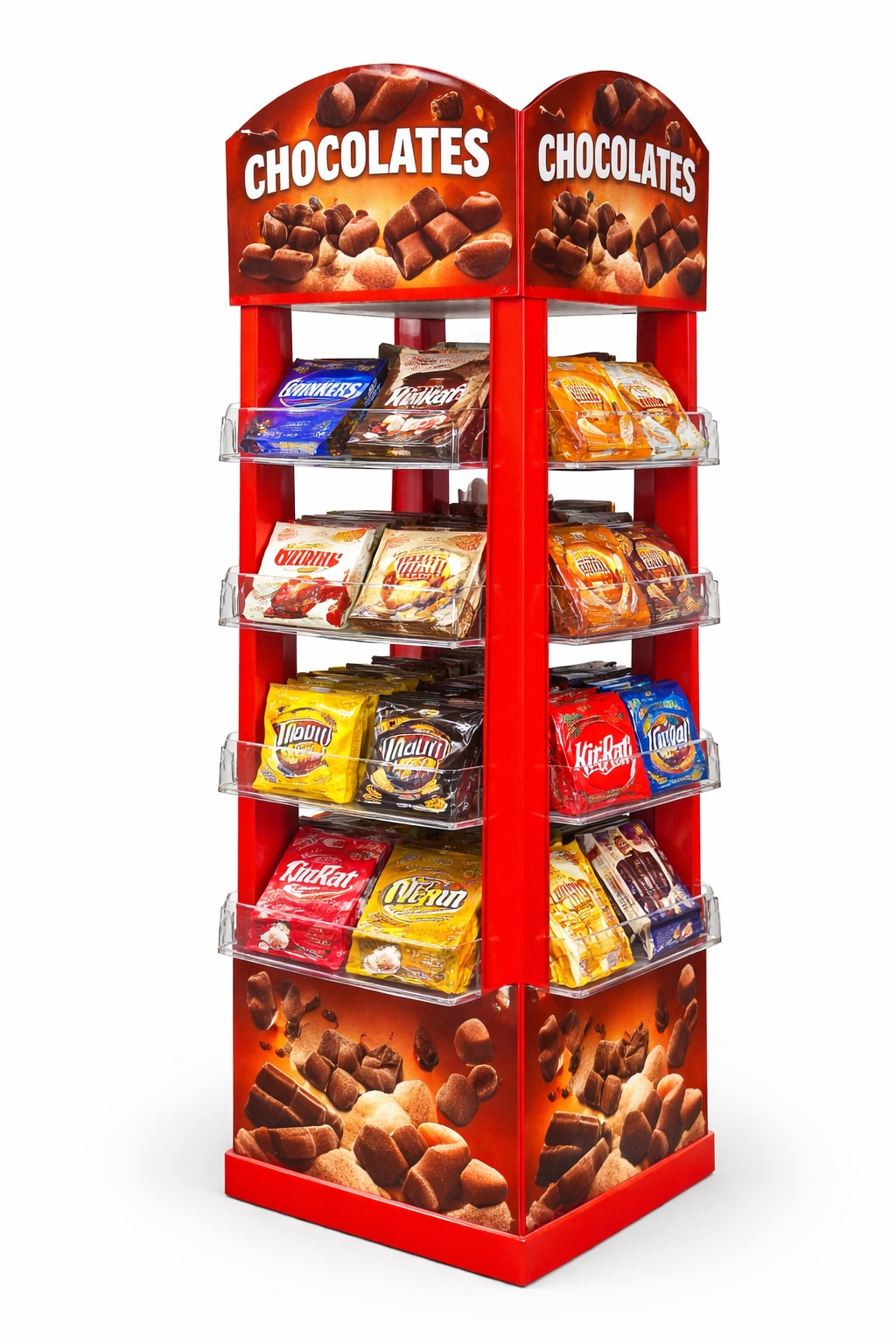
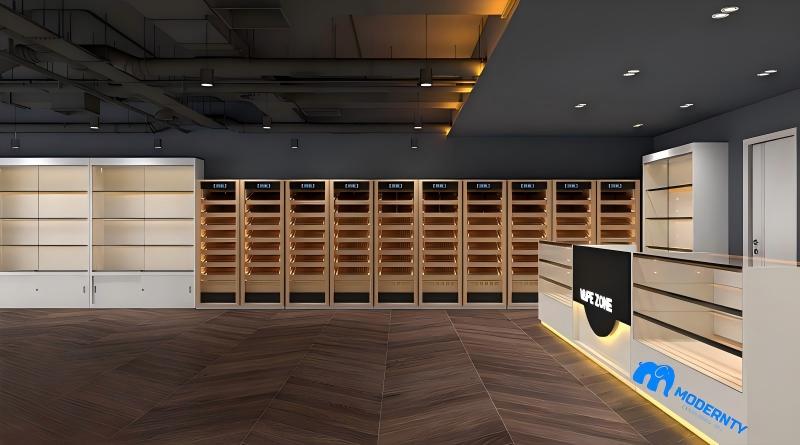
Floor-standing displays dominate larger retail spaces, including grid walls, promotional towers, and rotating carousels that maximize visibility from multiple angles. Countertop displays serve as space-efficient solutions for impulse purchases near checkout areas, often holding smaller items like cosmetics, jewelry, or electronics accessories. Wall-mounted systems utilize vertical space effectively through bracketed shelves, grid panels, or framed displays, ideal for stores with limited floor area. Point-of-purchase (POP) displays target last-minute decision making with strategically placed signage holders and product testers.
Industry-Specific Applications
Different sectors leverage specialized designs: fashion retailers employ garment racks and accessory trees; electronics brands use angled tablet/phone testers with integrated charging; jewelers depend on velvet-lined cases with precise lighting; beverage companies utilize sturdy bottle holders and cooler displays. Each adaptation addresses unique product requirements while maintaining brand consistency across touchpoints.
The Manufacturing Journey: From Raw Metal to Finished Display
Stage 1: Precision Forming and Fabrication
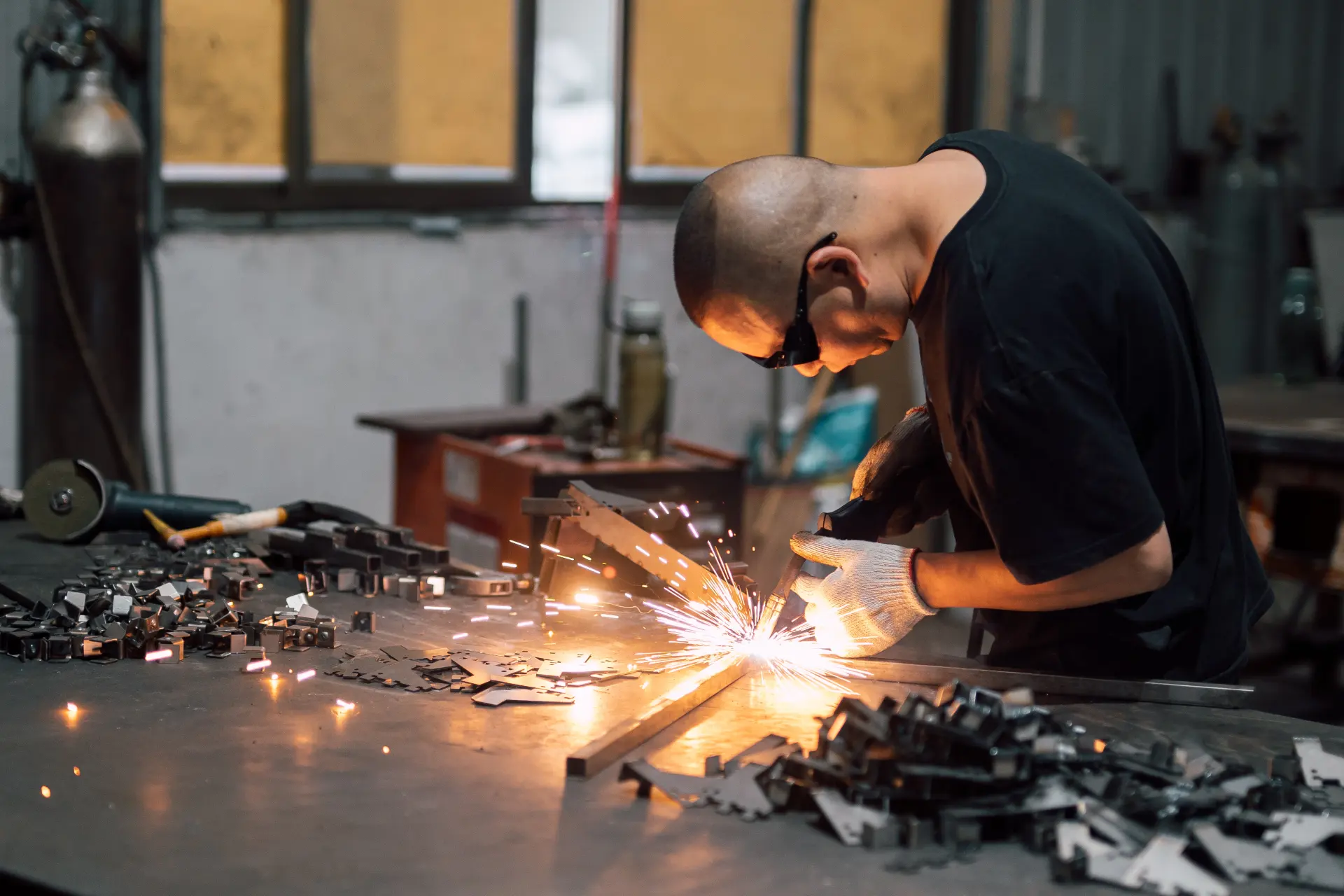
The transformation begins with laser cutting, where high-precision beams slice through metal sheets with microscopic accuracy, creating clean edges that require minimal finishing. For repetitive elements like connector holes or decorative patterns, stamping presses employ custom dies to produce identical components efficiently. CNC bending then shapes two-dimensional cutouts into three-dimensional forms using programmed pressure points that create consistent angles across production runs.
Joining methods vary by design intent: TIG welding creates nearly invisible seams for premium displays, while spot welding offers speed for structural joints that won’t be visible. Mechanical fasteners like concealed screws or rivets provide disassembly options for shipping or reconfiguration. Each joining method balances strength requirements with visual considerations.
Stage 2: Surface Transformation Processes
Surface treatments serve dual purposes: protective corrosion resistance and aesthetic enhancement. Powder coating remains the industry standard for its environmental advantages (solvent-free application) and superior durability. The electrostatic application process ensures even coverage on complex geometries, followed by thermal curing that creates a finish more resistant to chips and scratches than conventional paint.
Electroplating deposits metallic layers through electrochemical processes: zinc provides economical rust protection; chrome delivers reflective brilliance; PVD (Physical Vapor Deposition) coating creates advanced finishes like rose gold or gunmetal with exceptional wear resistance. For aluminum components, anode oxidation builds porous surfaces that absorb colored dyes before sealing, resulting in vibrant, integral coloration that won’t peel.
Texture creation through brushed finishing involves abrasive belts creating directional patterns that hide fingerprints and minor scratches, while mirror polishing produces reflective surfaces through progressive abrasion stages. These finishing touches transform functional metal into decorative elements.
Stage 3: Final Assembly and Integration
The last phase combines metal frameworks with supplementary materials: tempered glass shelves add transparency, acrylic panels incorporate branded graphics, integrated LED lighting creates focal emphasis. Quality assurance checks verify structural stability, finish consistency, and functional performance before packaging for shipment.
Material Selection Guide
Cold-rolled steel offers maximum strength for budget-conscious projects requiring heavy load capacity. Stainless steel (particularly 304/316 grades) provides inherent corrosion resistance ideal for humid environments or food-related displays. Aluminum alloys deliver the best strength-to-weight ratio for portable displays or ceiling-hung installations, with excellent finishing possibilities through anodization. Tubular steel forms lightweight yet rigid frameworks for larger structures.
Conclusion: The Strategic Value of Quality Metal Displays
Investing in well-designed metal display stands generates measurable returns through enhanced product visibility and perceived value. The manufacturing processes – from initial laser cutting to final powder coating – collectively determine not only the display’s appearance but its longevity and performance. As retail environments evolve toward more experiential formats, metal displays offer the versatility to create engaging brand encounters. By understanding material properties and manufacturing capabilities, businesses can make informed decisions that balance budgetary considerations with visual impact, ultimately creating display solutions that turn passive products into active sellers.
When planning your next display project, consider both immediate needs and long-term versatility. The right metal display doesn’t just hold products – it tells your brand’s story, protects your merchandise investment, and creates shopping experiences that customers remember and return to.
FAQs About the Process of Metal Display Stand Manufacturing
Q1: What are the main steps in making a metal display stand?
A: The manufacturing process typically follows these core stages:
- Design & Engineering: Creating technical drawings and 3D models to plan structure, dimensions, and assembly.
- Material Preparation: Selecting and cutting metal sheets/tubes (via laser, plasma, or saw cutting).
- Forming & Fabrication: Bending, punching, and welding components into shape.
- Surface Treatment: Applying finishes like powder coating, plating, or anodizing for protection and appearance.
- Assembly & Quality Control: Putting all parts together, adding non-metal elements (glass, acrylic), and conducting final inspections.
Q2: What’s the difference between powder coating and painting? Which is better?
A: Powder coating is a dry process where electrostatically charged powder is applied and then heat-cured into a hard, even layer. Painting (wet painting) involves spraying liquid paint that air-dries or is heat-cured.
| Feature | Powder Coating | Wet Painting |
|---|---|---|
| Durability | Excellent – thick, chip-resistant finish | Good – can be thinner, may chip easier |
| Appearance | Uniform, various textures (matte/gloss) | Smooth, high-gloss options |
| Environmental Impact | More eco-friendly (low VOCs, waste recyclable) | Higher VOCs, requires solvents |
| Cost Efficiency | Higher initial cost, but less waste and overspray | Lower upfront cost, but may need more coats |
For display stands, powder coating is generally preferred for its durability, eco-friendliness, and superior finish quality, making it ideal for high-traffic retail environments.
Q3: How long does it take to manufacture a custom metal display stand?
A: Lead time varies based on complexity:
- Simple, standard designs: 10-15 business days.
- Medium complexity (custom sizes/colors): 15-25 business days.
- Highly complex (intricate designs, multiple finishes): 25-40+ business days.
Factors affecting timing include design finalization, material availability, finish curing times, and order quantity. Always request a detailed production timeline from your manufacturer.
Q4: What file formats do manufacturers need for production?
A: Manufacturers require vector-based technical files for precise fabrication. Preferred formats include:
- .DXF or .DWG (for laser cutting and CAD/CAM programming)
- .AI or .EPS (for 2D graphics and etchings)
- 3D files like .STEP or .IGS (for complex 3D modeling)
Always confirm the required format with your manufacturer. Include all critical dimensions, material specifications, and finish color codes (e.g., RAL or Pantone) in your design files.
Q5: Can metal display stands be disassembled and reused?
A: Yes, many are designed for reusability. Key features that enable this:
- Modular Design: Components that slot or bolt together without permanent welds.
- K-D (Knock-Down) Construction: Uses screws, bolts, or cam locks for tool-based assembly.
- Lightweight Materials: Aluminum stands are easier to dismantle and transport.
This is ideal for trade shows, seasonal promotions, or pop-up stores. Specify your need for reusability during the design phase.
Q6: What’s the minimum order quantity (MOQ) for custom stands?
A: MOQs vary significantly:
- Large manufacturers: Often require 500+ units for cost-effective production.
- Mid-size/specialty shops: May accept 100-300 units.
- Small workshops or for highly complex designs: MOQs can be as low as 50-100 units, but the per-unit cost will be higher.
For prototypes or very small batches (1-10 units), expect to pay a premium for setup and programming costs.
Q7: How do I choose the right metal for my display stand?
A: Consider these factors:
- Budget: Cold-rolled steel is the most cost-effective. Aluminum is mid-range. Stainless steel is premium.
- Weight: Need a portable stand? Choose lightweight aluminum. For a heavy, stationary fixture, steel is suitable.
- Environment: For humid areas (like cosmetics counters), stainless steel or powder-coated aluminum resist rust best.
- Aesthetics: For a modern, sleek look, choose brushed or anodized aluminum. For an industrial vibe, choose powder-coated steel.
Q8: What are the most common mistakes to avoid in the design process?
A:
- Ignoring Load Capacity: Not designing for the actual weight of the product.
- Overlooking Assembly: Creating designs that are impossible to assemble or require special tools.
- Forgetting Logistics: Designing stands that don’t fit through standard doorways or shipping containers (consider “flat-pack” design).
- Neglecting User Experience: Sharp edges, difficult product access, or unstable structures.
- Unclear Design Files: Providing incomplete or incorrect drawings, leading to production errors.
Q9: Are metal display stands environmentally friendly?
A: They can be, depending on the processes used:
- Pros: Metal is highly recyclable. Powder coating is a low-VOC process. Durable stands last for years, reducing waste.
- Cons: Some plating processes use chemicals that require careful disposal. Energy-intensive manufacturing.
To maximize eco-friendliness, choose manufacturers who use recycled metals, powder coating, and have responsible waste management policies.
Q10: How can I ensure the color on the final product matches my brand colors?
A: Use standardized color matching systems:
- For powder coating: Provide the RAL color code (e.g., RAL 3020 Traffic Red).
- For printing/graphics: Use Pantone (PMS) codes.
Always request a physical color sample or test panel from the manufacturer before full production begins, as colors can look different on metal versus paper or screen.
Pro Tip: Effective communication with your manufacturer is the single most important factor for a successful project. Provide clear specifications, ask questions, and review prototypes whenever possible.
Previous Article
How to Create a Custom LEGO Display Stand: A Comprehensive Guide
Next Article
How to Find a Top Display Stand Factory in China?
Trusted by These Featured Clients