

What is a One-Second Self-Rebounding Display Stand? Ultimate Guide to Retail Innovation
By admin
Jan 08, 2026
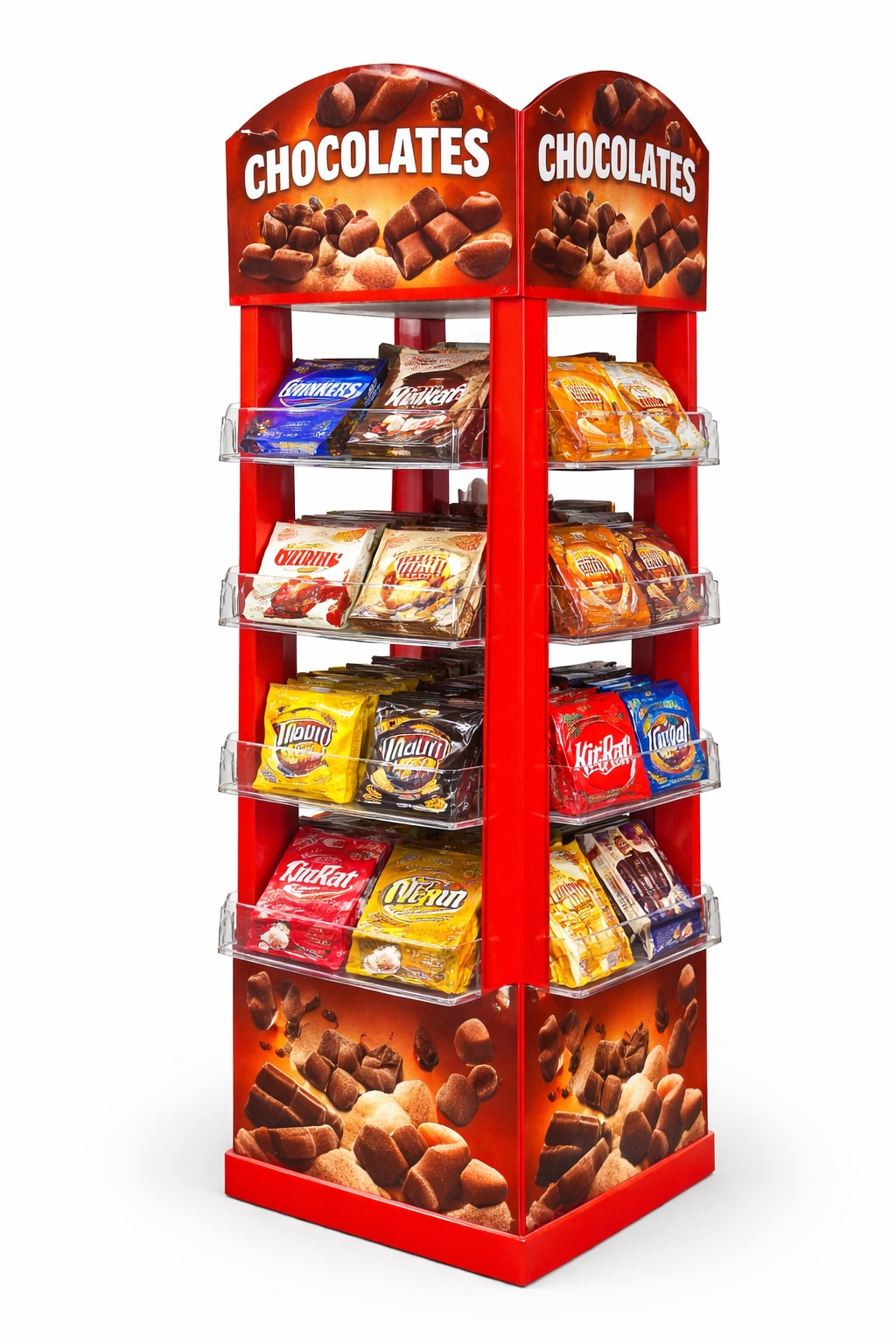
A one-second self-rebounding display stand is revolutionizing the way retailers showcase their products. Unlike traditional display units that require time-consuming assembly, these innovative stands unfold automatically in seconds, offering a seamless and efficient retail experience. Instantly functional, visually appealing, and highly customizable, they have become essential for supermarkets, convenience stores, and pop-up events.
These displays enhance customer engagement while streamlining store operations. With the growing demand for speed and sustainability in retail, understanding the design, manufacturing, and benefits of these stands is crucial for modern businesses.
History and Evolution of Display Stands
Early Cardboard Displays
Historically, retail display stands were mostly static structures made from wood, metal, or heavy cardboard. While functional, they often required tools for assembly and significant storage space. Their limitations were apparent in fast-paced retail environments where adaptability and mobility were key.
Rise of Self-Rebounding Technology
The introduction of self-rebounding mechanisms revolutionized display stands. Patented designs allow the unit to “pop up” automatically, reducing setup time to just a few seconds. By integrating innovative hinges and tension systems, manufacturers created displays that are lightweight yet durable, versatile, and visually appealing.
This evolution reflects the retail industry’s growing emphasis on efficiency, sustainability, and eye-catching in-store promotions.
Core Components of a One-Second Self-Rebounding Display Stand
Corrugated Cardboard
Corrugated cardboard is the backbone of most self-rebounding displays. Its advantages include:
- Strength and Stability: Supports moderate to heavy products.
- Eco-Friendly Properties: Fully recyclable and biodegradable.
- Cost Efficiency: Affordable material suitable for mass production.
Modern corrugated boards are often double- or triple-walled for enhanced load-bearing capacity.
Hinges and Rebound Mechanisms
The key to instant setup lies in the mechanism:
- Pre-scored folds: Allow rapid unfolding.
- Elastic bands or torsion springs: Enable automatic “pop-up.”
- Locking tabs: Ensure structural stability once the display is upright.
These features reduce setup time while maintaining safety and durability.
Branding and Customization
These stands are powerful marketing tools:
- Full-color printing with UV or water-based inks.
- Die-cut logos, shapes, and themed graphics.
- Seasonal or promotional customization for maximum flexibility.
Benefits of Using One-Second Pop-Up Displays
Time and Labor Savings
Traditional displays may take hours and multiple employees to assemble. A one-second self-rebounding display stand opens instantly, saving labor costs and allowing staff to focus on customer engagement.
Environmental Benefits
Sustainability is a key advantage:
- Made primarily from recyclable cardboard.
- Reduces need for metal or plastic frameworks.
- Lightweight, reducing shipping emissions and storage space.
Marketing Advantages
Quick setup and modern appearance increase visibility:
- Eye-catching designs attract customers.
- Flexible layouts adapt to different store formats.
- Perfect for flash promotions or seasonal campaigns.
Design Considerations
Size, Load-Bearing, and Stability
Designers must balance portability and functionality:
- Maximum product weight: typically 5–20 kg per shelf, depending on cardboard grade.
- Adjustable shelves to accommodate different products.
- Base design to prevent tipping in high-traffic areas.
Retail Environment Compatibility
These displays fit nearly any setting:
- Supermarkets and grocery stores.
- Convenience stores with limited floor space.
- Pop-up events, exhibitions, and trade shows.
Safety and Compliance
Retail safety standards are essential:
- Fire-retardant coatings are often applied.
- Weight limits clearly marked.
- Compliance with local display regulations.
Manufacturing Process
Material Sourcing
High-quality cardboard, eco-friendly adhesives, and durable inks are sourced from certified sustainable suppliers.
Cutting and Folding Technology
- Die-cutting: Creates precise folds and shapes.
- CNC cutting machines: Ensure consistent production quality.
- Automated folding lines: Speed up assembly and maintain accuracy.
Quality Control and Testing
Each batch undergoes:
- Load-bearing tests to confirm shelf strength.
- Rebound tests for automatic opening reliability.
- Visual inspections for print and color quality.
Cost Analysis and ROI
Comparing to Traditional Displays
Although the initial investment may be slightly higher, ROI is significant:
- Labor savings on setup.
- Reduced storage space due to foldable design.
- Lower transportation costs due to lightweight materials.
Long-Term Savings
Reusable and low-maintenance, these displays:
- Reduce replacement frequency.
- Support multiple campaigns with minimal modifications.
- Align with sustainability initiatives.
Case Studies and Success Stories
Retailers worldwide have embraced this technology:
- A supermarket chain reduced setup time for promotional displays by 80%.
- A cosmetics brand used custom pop-up stands for seasonal promotions, increasing foot traffic by 35%.
- Convenience stores report fewer damages during setup and teardown due to lightweight, resilient materials.
Future Trends in Display Stands
- Smart Displays: Integration with digital screens and sensors.
- Augmented Reality (AR): Interactive product demonstrations.
- Enhanced Sustainability: Biodegradable coatings and zero-waste production.
- Modular Designs: Stackable, customizable, and multi-use for long-term campaigns.
Frequently Asked Questions (FAQs)
FAQ 1: What types of products suit these displays?
Answer: Lightweight to medium-weight products such as cosmetics, snacks, beverages, and small electronics.
FAQ 2: How long do they last?
Answer: High-quality displays can last multiple campaigns, often several months to a year.
FAQ 3: Are they eco-friendly?
Answer: Yes. They are primarily made of recyclable cardboard with minimal adhesives, making them environmentally sustainable.
FAQ 4: Can they be customized?
Answer: Absolutely. They support full-color printing, branding, unique shapes, and seasonal campaigns.
FAQ 5: How heavy can the display hold?
Answer: Typically 5–20 kg per shelf, depending on cardboard grade. Reinforced designs can support heavier products.
FAQ 6: How should they be maintained or stored?
Answer: Keep them dry and away from direct sunlight. Fold flat for storage to save space and prevent damage.
Conclusion
A one-second self-rebounding display stand represents a leap forward in retail display technology. Combining speed, durability, sustainability, and marketing potential, it offers retailers a flexible, cost-effective solution for modern stores. Investing in these innovative displays ensures quicker setup, eco-friendly operations, and increased customer engagement—benefits that are hard to ignore.
Previous Article
How to Find a Reliable Vape Cabinet Manufacturer
Trusted by These Featured Clients