

What does POP mean in retail?
By admin
Nov 10, 2025
In retail, POP stands for “Point of Purchase.”
It refers to the place where a customer makes a buying decision or completes a purchase — typically near checkout counters, store aisles, or promotional zones.
A POP display (Point-of-Purchase display) is a specially designed marketing stand or structure placed in these areas to attract attention, highlight specific products, and encourage impulse purchases.
For example, when you see a small cardboard stand filled with energy drinks or cosmetics near the cashier — that’s a POP display working its magic!
In short, POP = where products meet customers, and interest turns into sales.
In the retail world, the term POP plays a key role in driving sales and improving brand visibility. But what exactly does POP mean? Let’s dive into its meaning, purpose, and why it matters for your business success.
Understanding POP in Retail
POP stands for Point of Purchase. It refers to the location where shoppers make their buying decisions—usually where products are displayed and transactions occur. This area can include checkout counters, display racks, promotional stands, or end caps.
Retailers use POP displays to attract attention, highlight promotions, and boost impulse buying. Whether in a convenience store or a supermarket, an effective POP strategy can significantly influence customer behavior.
Types of POP Displays
There are several types of POP displays, each designed to serve a unique purpose.
1. Counter Displays
Placed near cash registers, these small displays promote items like candies, batteries, or cosmetics. Their goal is to encourage last-minute purchases before checkout.
2. Floor Displays
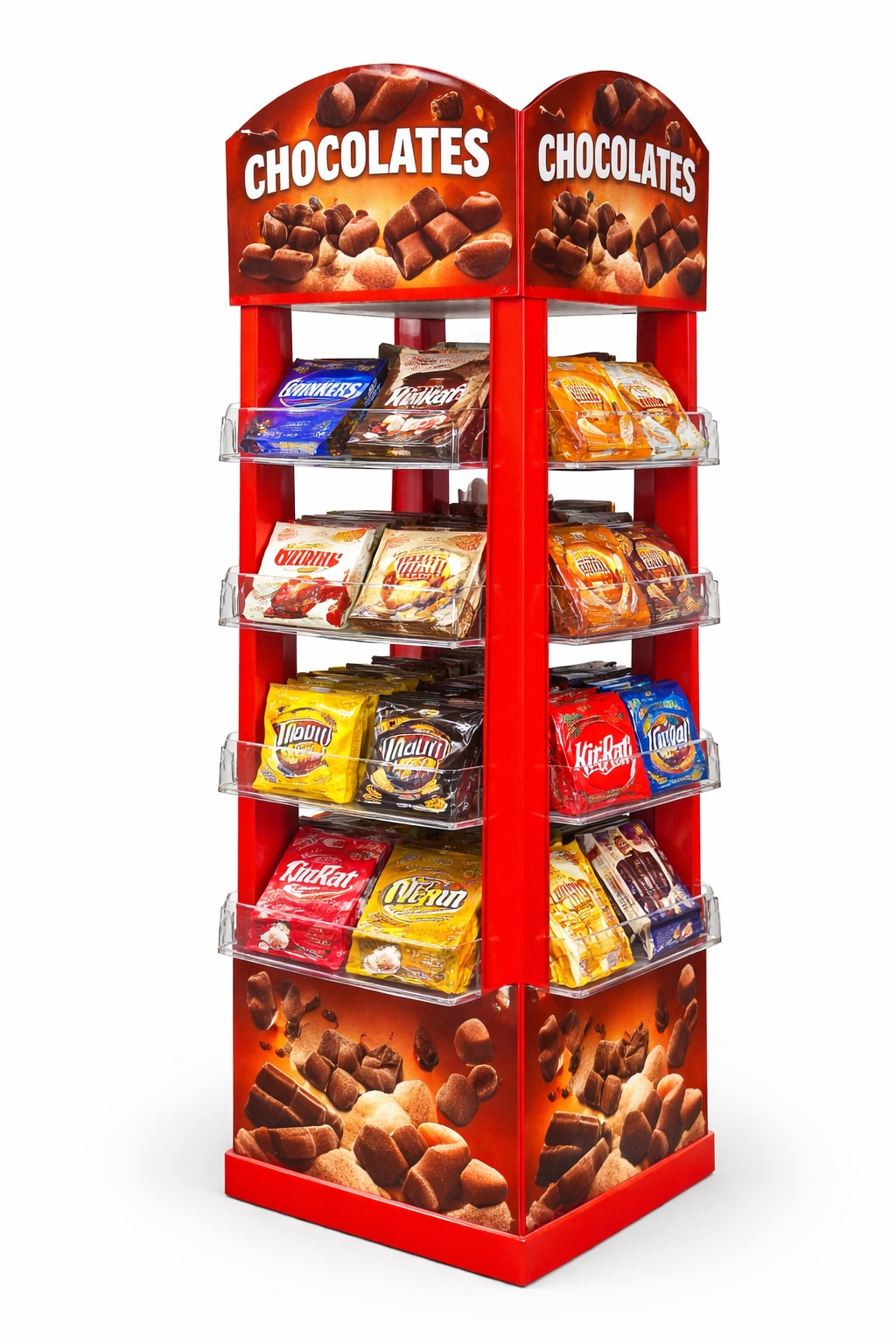
Freestanding units that grab attention in busy store aisles. They’re perfect for showcasing new or seasonal products.
3. End Cap Displays
Located at the end of store aisles, these displays maximize visibility and often feature high-demand products or special discounts.
4. Shelf Talkers
These small tags or signs attach directly to store shelves. They highlight features, discounts, or promotions without taking up floor space.
Why POP Displays Are Important
An effective POP display does more than show a product—it tells a story. It connects with customers visually and emotionally.
Here’s why POP displays matter:
- Increase Sales: Eye-catching visuals attract attention and encourage spontaneous purchases.
- Enhance Brand Recognition: Consistent colors, logos, and messages strengthen brand identity.
- Promote New Products: Launching a new item becomes easier when it stands out at the point of purchase.
- Improve Store Experience: Organized and creative displays make shopping more enjoyable.
A well-designed POP strategy not only drives profit but also improves customer loyalty.
Key Elements of a Successful POP Display
To make your POP display effective, focus on these core elements:
- Strong Visual Appeal: Use bright colors, bold fonts, and clean layouts.
- Clear Messaging: Keep your message short, clear, and persuasive.
- Product Placement: Position high-margin products at eye level.
- Lighting: Proper lighting enhances visibility and attracts attention.
- Durable Materials: Choose sturdy materials like acrylic, metal, or wood for longevity.
When all these elements work together, your POP display becomes a silent salesperson.
POP vs. POS: What’s the Difference?
While both terms seem similar, there’s a small but crucial difference.
- POP (Point of Purchase): Refers to the broader area where customers decide to buy.
- POS (Point of Sale): Specifically means the location where the actual transaction occurs, such as the cash register.
In short, POP focuses on influence, while POS focuses on the transaction itself.
How POP Displays Influence Buying Decisions
POP displays tap into consumer psychology. Bright colors, engaging visuals, and creative designs draw attention instantly. When shoppers see a product presented attractively, they’re more likely to pick it up—even if it wasn’t on their list.
Strategically placed displays guide foot traffic, leading customers toward specific areas of the store. This increases exposure to high-margin items and improves overall sales performance.
Final Thoughts
POP in retail is much more than a display—it’s a powerful marketing tool. By investing in high-quality POP displays, retailers can boost sales, build brand trust, and enhance the shopping experience.
Every detail matters—from design to placement. When done right, your POP display becomes a direct path to customer engagement and brand success.
Previous Article
How To Customize The Vape Display Stand?
Next Article
What Is Custom POP Displays?

Trusted by These Featured Clients