

PVC Display Stand Factory: The Definitive Blueprint for Bespoke Retail Display Manufacturing in 2026
Retail terrain has become ferociously competitive. Step inside a hypermarket, vape boutique, cosmetic chain, mobile accessory outlet, or convenience mart, and one reality becomes glaringly obvious—brands are no longer merely selling merchandise. They are battling for visual dominance.
Shelf presence now dictates commercial momentum.
That seismic shift explains why demand for PVC display stands has accelerated across worldwide retail ecosystems. Merchandising has evolved into a psychological instrument, not simply a storage arrangement. Products hidden in visual obscurity rarely convert, regardless of quality. Visibility engineers revenue.
Recent industry analytics indicate that the global retail display sector is poised for substantial expansion throughout the coming decade, propelled by aggressive investment in in-store branding infrastructure and experiential merchandising systems. Simultaneously, the international PVC materials industry continues gaining commercial traction due to its economical fabrication profile, adaptable composition, and resilient performance in mass production environments.
For wholesalers, importers, retailers, and consumer brands alike, selecting a reliable PVC display stand factory is no longer a routine procurement exercise. It has become a commercial lever capable of influencing sales velocity, shopper interaction, and long-term brand memorability.
What Is a PVC Display Stand Factory?
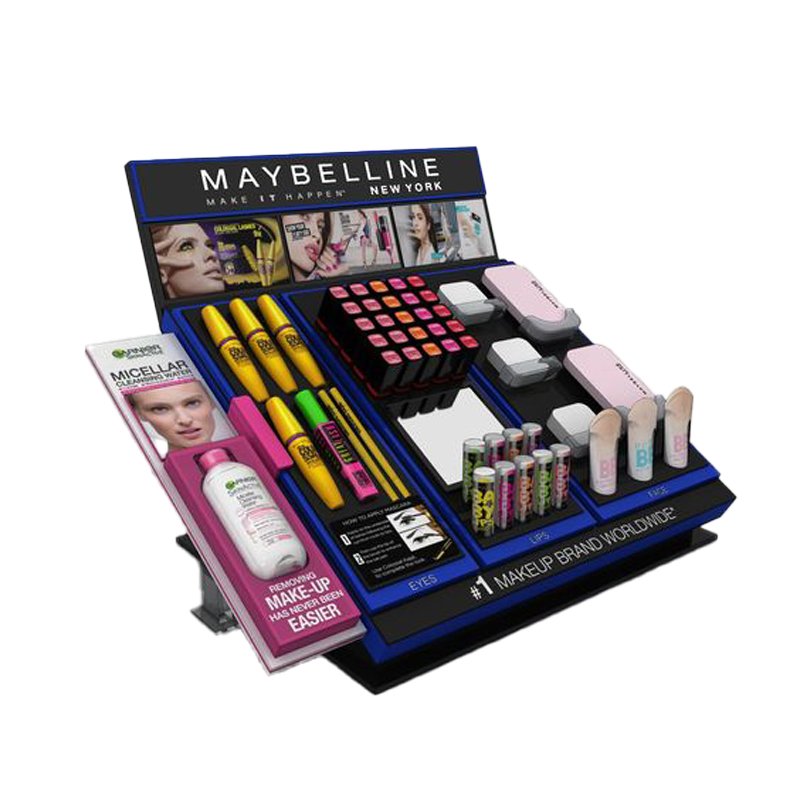
A PVC display stand factory is a specialized manufacturing operation dedicated to crafting retail merchandising fixtures fabricated primarily from polyvinyl chloride materials. These facilities engineer, print, assemble, package, and export customized display systems utilized across supermarkets, pharmacies, exhibitions, vape retailers, shopping malls, beauty stores, and electronic product chains.
In many respects, these factories function as the unseen architects behind contemporary visual merchandising.
PVC—widely recognized as polyvinyl chloride—has cemented its status within the display manufacturing sector because it harmonizes several commercial advantages simultaneously. It is lightweight yet sufficiently durable, economical yet visually adaptable, and highly compatible with advanced printing technologies.
Unlike timber or steel fixtures that often demand labor-intensive fabrication and elevated freight expenditures, PVC displays can be manufactured rapidly while maintaining comparatively modest production costs. That operational agility makes PVC particularly attractive for seasonal campaigns, limited-edition launches, and short-cycle promotional activations.
Modern manufacturing facilities have also transcended the outdated notion of merely “producing stands.” Today’s sophisticated factories resemble vertically integrated production ecosystems. Many incorporate:
- In-house structural engineering departments
- CNC precision-cutting systems
- UV digital printing technology
- Thermoforming machinery
- Packaging divisions
- Export logistics coordination teams
The outcome is an efficient supply network capable of generating thousands of customized retail displays for international distribution channels with remarkable consistency.
Understanding PVC Display Manufacturing
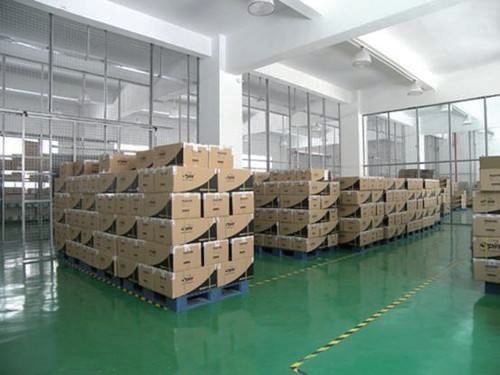
PVC display manufacturing occupies a fascinating intersection between engineering precision, consumer psychology, branding strategy, and industrial printing.
An effective retail display does not merely hold inventory—it orchestrates customer attention.
The manufacturing process commonly begins with CAD modeling or 3D structural visualization software. Designers evaluate dimensions, weight distribution, retail traffic behavior, and brand presentation requirements before generating production-ready schematics.
Once designs receive approval, PVC sheets proceed through several transformation phases:
- Material cutting
- UV graphic printing
- Lamination
- Heat bending
- Structural assembly
- Reinforcement integration
One of PVC’s strongest commercial virtues is versatility. The material can be converted into:
- Compact countertop fixtures
- Towering floor-standing displays
- Rotating product carousels
- Hanging signage systems
- Modular promotional frameworks
This flexibility permits manufacturers to service multiple industries without radically restructuring production infrastructure.
Why PVC Dominates Retail Display Manufacturing
PVC has become a cornerstone material within retail merchandising because it solves multiple logistical and commercial challenges simultaneously.
Cost Accessibility
Large-scale promotional campaigns often require hundreds—or even thousands—of display units. PVC enables extensive deployment without overwhelming marketing budgets.
Lightweight Logistics
Compared with metal or wooden fixtures, PVC substantially reduces freight expenditures. Retail employees can typically assemble flat-packed PVC displays without specialized tools or technical expertise.
Superior Print Compatibility
UV printing technology allows vivid graphics, saturated color reproduction, intricate branding, and promotional messaging to be applied directly onto PVC surfaces with impressive clarity.
The result is visually commanding merchandising capable of disrupting shopper attention inside densely crowded retail environments.
Types of PVC Display Stands
Not every retail environment demands identical display architecture. A cosmetics boutique requires a vastly different merchandising philosophy than a supermarket beverage campaign.
Understanding the primary categories of PVC display stands helps businesses align display strategy with retail objectives.
Countertop PVC Display Stands
Countertop displays are miniature sales catalysts strategically positioned near checkout zones and payment counters.
Despite their compact dimensions, they wield extraordinary influence over impulse purchasing behavior.
These displays commonly showcase:
- Vape accessories
- Cosmetic samples
- Batteries
- Phone chargers
- Skincare products
- Candy and confectionery items
Their effectiveness stems from behavioral psychology. Consumers standing in queues naturally scan nearby merchandise. A well-composed countertop display transforms idle attention into spontaneous purchasing decisions within seconds.
Factories manufacturing countertop displays prioritize spatial efficiency, ensuring maximum product visibility without monopolizing valuable counter real estate.
Common design features include:
- Tiered shelving
- Angled product compartments
- Rotating sections
- Transparent branding panels
Floor PVC Display Racks
Floor-standing PVC display racks dominate high-traffic retail corridors.
These large-format fixtures are extensively used for:
- Snack promotions
- Beverage campaigns
- Electronics merchandising
- Seasonal retail launches
- High-volume branding initiatives
A compelling floor display functions almost like a miniature storefront embedded within the retail environment itself.
Rather than blending into surrounding merchandise, it isolates brand identity and commands shopper focus.
Factories manufacturing floor displays must carefully calibrate structural stability with transportation efficiency. Reinforced internal frameworks are frequently integrated to support heavier product loads while preserving PVC’s lightweight advantages.
Wall-Mounted PVC Displays
Wall-mounted systems are exceptionally valuable inside retail environments where floor space is scarce.
They are commonly utilized in:
- Mobile accessory stores
- Convenience shops
- Beauty retailers
- Pharmacies
- Electronics boutiques
These systems convert unused vertical surfaces into revenue-generating merchandising zones without obstructing customer movement.
Many advanced factories now produce modular wall systems allowing retailers to rearrange layouts rapidly in response to seasonal campaigns or shifting inventory requirements.
Rotating PVC Display Stands
Movement naturally attracts human attention.
Rotating PVC displays capitalize on that instinctive behavioral response by introducing motion into product presentation.
These displays are widely used for:
- Sunglasses
- Toys
- Mobile accessories
- Cosmetics
- Keychains
- Convenience products
A rotating fixture encourages physical interaction, extending customer engagement time while increasing product exposure.
Manufacturers must engineer these systems carefully to ensure smooth rotational balance, bearing durability, and long-term structural reliability under repeated consumer interaction.
Industries That Depend on PVC Display Stands
PVC display systems permeate virtually every retail category once you begin noticing them.
From airport duty-free stores to neighborhood convenience shops, these structures quietly shape purchasing behavior across diverse commercial landscapes.
Cosmetics and Beauty Retail
Beauty merchandising revolves around perception.
Consumers often associate visual elegance with product quality before even testing the item itself.
PVC displays allow cosmetic brands to create premium visual environments without the staggering expense associated with luxury permanent fixtures.
High-resolution UV printing empowers beauty companies to showcase glamorous imagery, refined typography, and immersive promotional aesthetics directly on the display surface.
Some manufacturers even integrate LED illumination to intensify shelf appeal.

Vape and Nicotine Product Stores
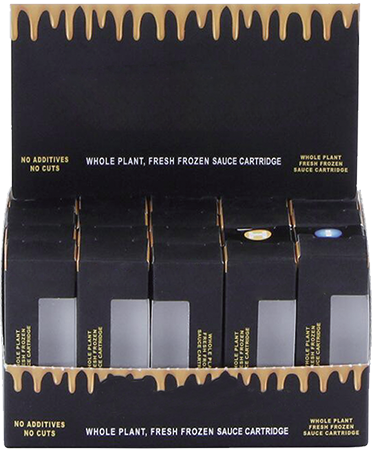
The nicotine pouch and vape sector has emerged as one of the most aggressive adopters of custom retail display manufacturing.
Because traditional advertising channels are heavily restricted in many jurisdictions, in-store merchandising becomes a dominant mechanism for brand differentiation.
Custom PVC display stands frequently incorporate:
- Lockable storage sections
- Transparent viewing windows
- Interchangeable promotional panels
- Modular shelving arrangements
These features help brands maintain organized product presentation while reinforcing visual identity.
Electronics and Mobile Accessories
Electronics retailers require merchandising systems capable of balancing durability, organization, and high SKU density.
Products such as:
- Earbuds
- Charging cables
- Gaming accessories
- Phone cases
- Adapters
often demand compact yet highly organized display arrangements.
PVC performs exceptionally well in this context because it accommodates customized hooks, shelving channels, and modular layouts without excessive structural weight.
Food and Beverage Promotions
Temporary beverage launches and snack campaigns frequently rely on PVC floor displays because they are economical, rapidly deployable, and easy for retail staff to assemble.
Flat-packed configurations reduce shipping costs while accelerating installation timelines.
For limited-time promotions, that speed-to-market advantage becomes commercially invaluable.
Advantages of Partnering Directly With a PVC Display Stand Factory
Sourcing directly from a manufacturing facility instead of intermediaries introduces several strategic advantages.
Cost Optimization
Factories eliminate distributor markups and unnecessary brokerage layers.
Direct sourcing often improves pricing transparency while giving buyers greater authority over:
- Material selection
- Packaging specifications
- Shipping arrangements
- Production scheduling
Unlimited Customization
Professional factories can tailor nearly every display element, including:
- Structural dimensions
- Branding graphics
- Shelf arrangements
- Surface finishes
- Packaging formats
- Color schemes
Retail environments vary enormously, which makes customization indispensable rather than optional.
Accelerated Mass Production
Factories equipped with automated machinery, UV printers, and streamlined assembly lines can manage substantial order volumes with impressive efficiency.
For seasonal campaigns where timing directly influences profitability, manufacturing speed becomes a decisive advantage.
PVC Display Stand Manufacturing Process
Understanding how displays are produced allows buyers to assess factory competency more accurately.
Design and Structural Engineering
Every project begins with concept development.
Manufacturers evaluate:
- Product dimensions
- Load-bearing requirements
- Retail environment conditions
- Brand objectives
before creating structural prototypes and 3D renderings.
These visualizations allow clients to preview the finished display before production begins.
Material Cutting and Printing
After design confirmation, PVC sheets are processed using CNC cutting systems or laser technology.
Graphics are then applied through UV printing methods capable of producing vivid, abrasion-resistant branding with exceptional clarity.
Assembly and Quality Control
Components are assembled manually or semi-automatically depending on design complexity.
Quality control teams inspect:
- Dimensional accuracy
- Structural stability
- Print precision
- Weight tolerance
- Assembly integrity
before shipment authorization.
Packaging and Export Logistics
Most PVC displays are flat-packed to minimize freight expenses.
Export-focused factories frequently provide customized packaging solutions tailored for:
- Amazon sellers
- Global distributors
- Chain retailers
- International wholesalers
How to Choose the Best PVC Display Stand Factory
Navigating the supplier landscape can feel labyrinthine. Countless manufacturers advertise “premium quality” and “factory-direct pricing,” yet true manufacturing capability extends far beyond marketing slogans.
Factory Experience and Certifications
Experienced factories possess deeper familiarity with:
- International retail standards
- Export regulations
- Packaging compliance
- Quality assurance systems
Certifications such as ISO quality management standards often indicate stronger operational discipline.
OEM and ODM Capabilities
OEM manufacturing produces displays according to client-provided specifications, while ODM services develop solutions from conceptual ideas.
Factories offering both capabilities generally demonstrate stronger engineering maturity and design versatility.
Production Capacity and Lead Time
Large-scale retail campaigns require dependable production scheduling.
Delayed displays can derail entire promotional launches.
Businesses should evaluate:
- Monthly output capacity
- Peak-season production timelines
- Emergency contingency planning
- Scalability potential
before committing to long-term partnerships.
Communication and After-Sales Support
Clear communication dramatically reduces costly misunderstandings.
Reliable factories provide:
- Detailed quotations
- Accurate technical drawings
- Frequent production updates
- Responsive after-sales assistance
Strong operational communication often distinguishes elite manufacturers from unstable suppliers.
PVC vs Acrylic vs Metal Display Stands
Material selection ultimately depends on retail objectives, budget allocation, and desired display lifespan.
| Feature | PVC Display | Acrylic Display | Metal Display |
|---|---|---|---|
| Cost | Economical | Mid-range | Premium |
| Weight | Lightweight | Moderate | Heavy |
| Durability | Reliable | Exceptional | Exceptional |
| Print Compatibility | Excellent | Moderate | Moderate |
| Shipping Expense | Low | Medium | High |
| Best Application | Promotions | Luxury Retail | Heavy Merchandise |
PVC excels in temporary campaigns and large-scale promotional distribution.
Acrylic dominates premium beauty and luxury environments, while metal remains ideal for heavy-duty commercial applications requiring maximum structural endurance.
Emerging Trends in PVC Display Manufacturing
Retail display manufacturing is undergoing rapid transformation as technology and consumer expectations evolve simultaneously.
Digital Integration
Factories are increasingly experimenting with:
- QR-enabled displays
- Interactive merchandising systems
- Smart retail integrations
- Omnichannel engagement features
These innovations bridge physical retail experiences with digital commerce ecosystems.
Sustainability Initiatives
Environmental consciousness is reshaping manufacturing priorities.
Retailers now demand:
- Recyclable materials
- Eco-conscious inks
- Reduced packaging waste
- Reusable modular systems
Some factories have already begun introducing environmentally refined PVC alternatives designed to reduce ecological impact.
Experiential Retail Design
Modern consumers crave immersive retail experiences rather than static shelving arrangements.
As a result, displays are evolving into storytelling instruments that merge:
- Lighting
- Branding
- Graphics
- Physical interaction
- Spatial theater
into unified shopping experiences.
Conclusion
A professional PVC display stand factory is far more than a production vendor.
It is a strategic merchandising ally capable of transforming ordinary products into visually magnetic retail experiences.
Within today’s relentlessly competitive commercial environment, visual merchandising frequently determines whether products disappear into background noise or command immediate consumer attention.
PVC display stands continue expanding in popularity because they unite affordability, lightweight logistics, rapid customization, and strong branding versatility within a single manufacturing solution.
Whether operating in cosmetics, electronics, nicotine products, beverages, or convenience retail, businesses that partner with capable factories gain a measurable advantage in in-store visibility and promotional execution.
As retail environments continue shifting toward immersive, interactive, and sustainability-driven experiences, manufacturers embracing innovation will shape the next generation of global merchandising infrastructure.
FAQs
1. What is the main advantage of PVC display stands?
The biggest advantage is cost-effective customization. PVC displays are lightweight, affordable, easy to print on, and ideal for promotional retail campaigns.
2. Are PVC display stands durable?
Yes. High-quality PVC displays are durable enough for retail environments, especially for temporary and medium-term promotional use.
3. Can a PVC display stand factory create custom designs?
Absolutely. Most professional factories offer OEM and ODM services including custom sizes, branding, colors, shelves, and packaging.
4. Which industries commonly use PVC displays?
Cosmetics, electronics, vape products, snacks, beverages, mobile accessories, pharmaceuticals, and supermarkets are among the biggest users.
5. How long does production usually take?
Production timelines vary depending on order quantity and complexity, but most factories complete custom orders within 7–15days.