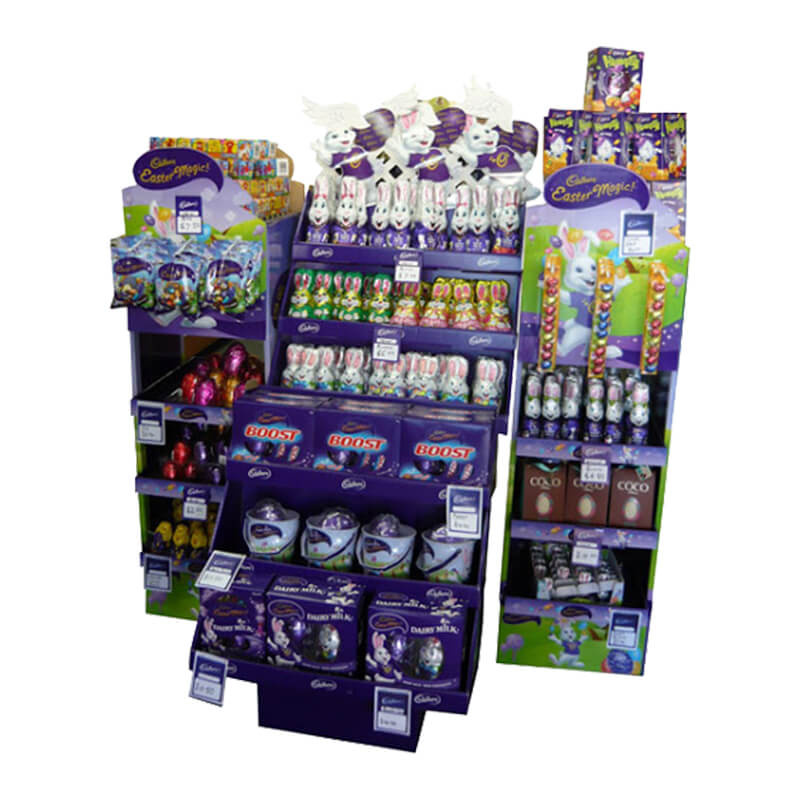
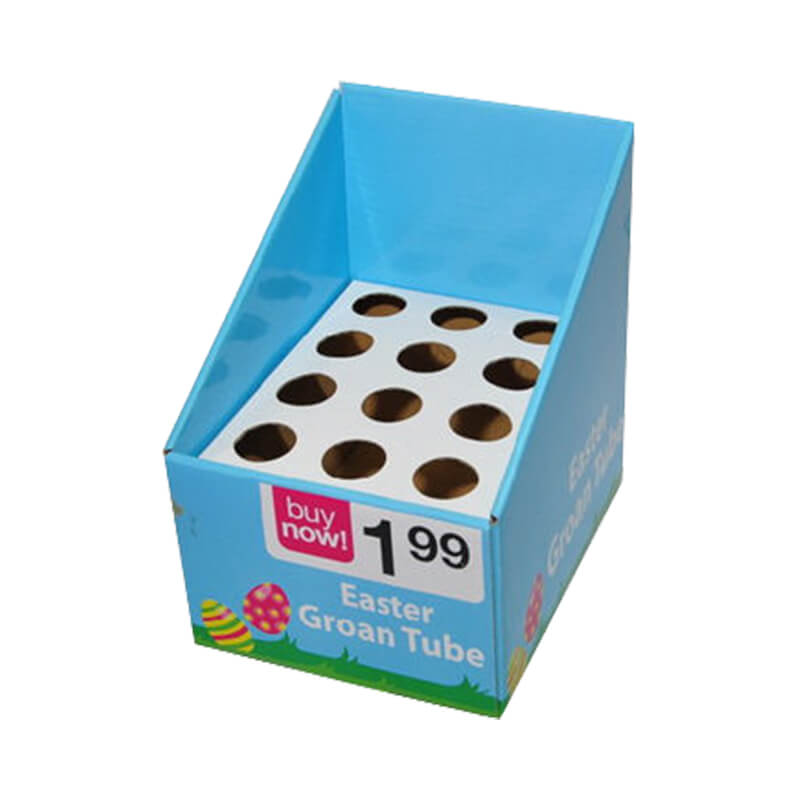
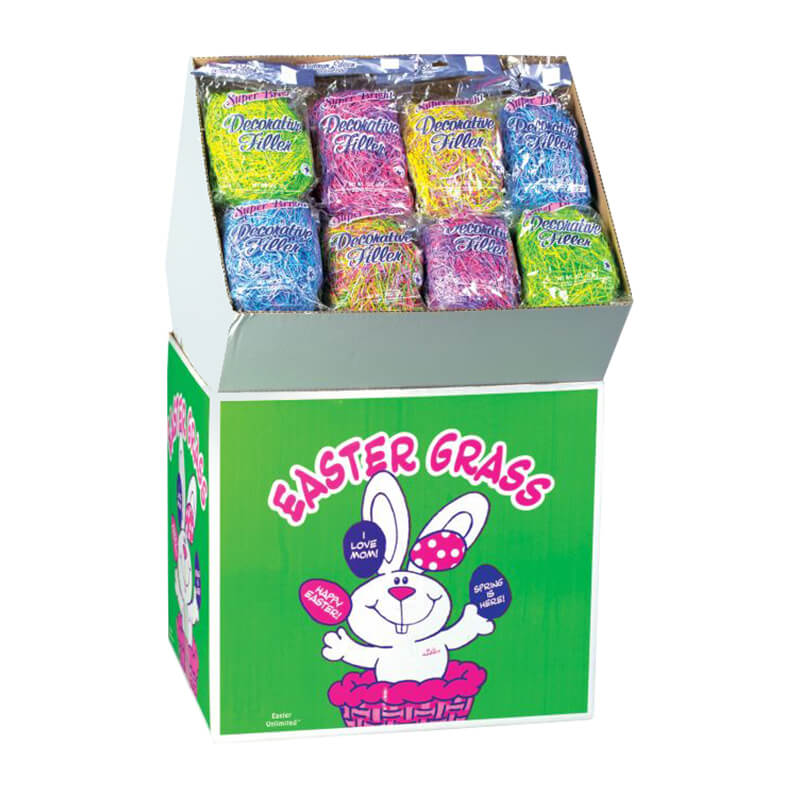
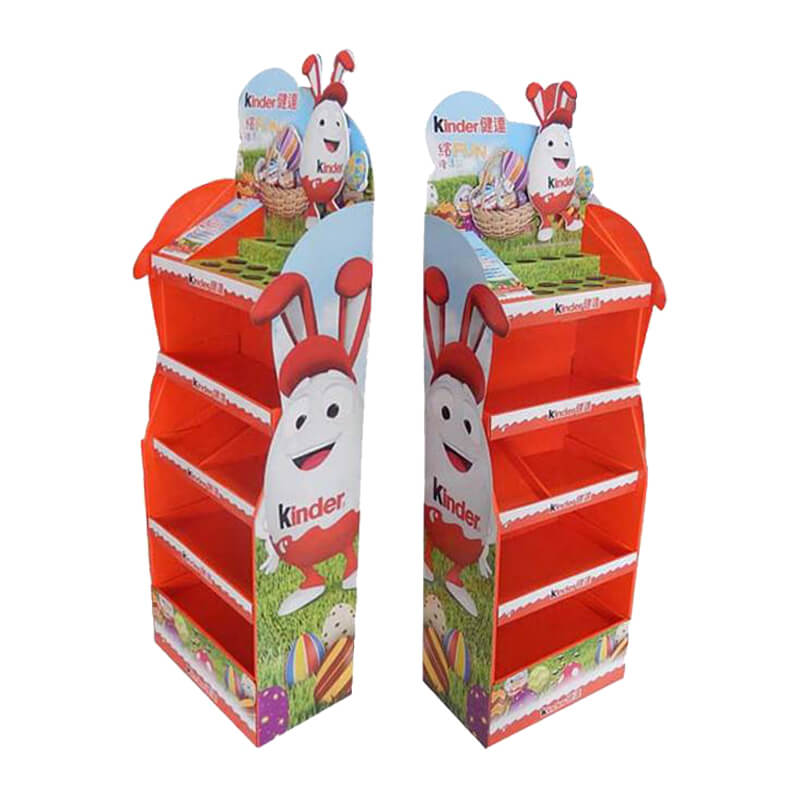
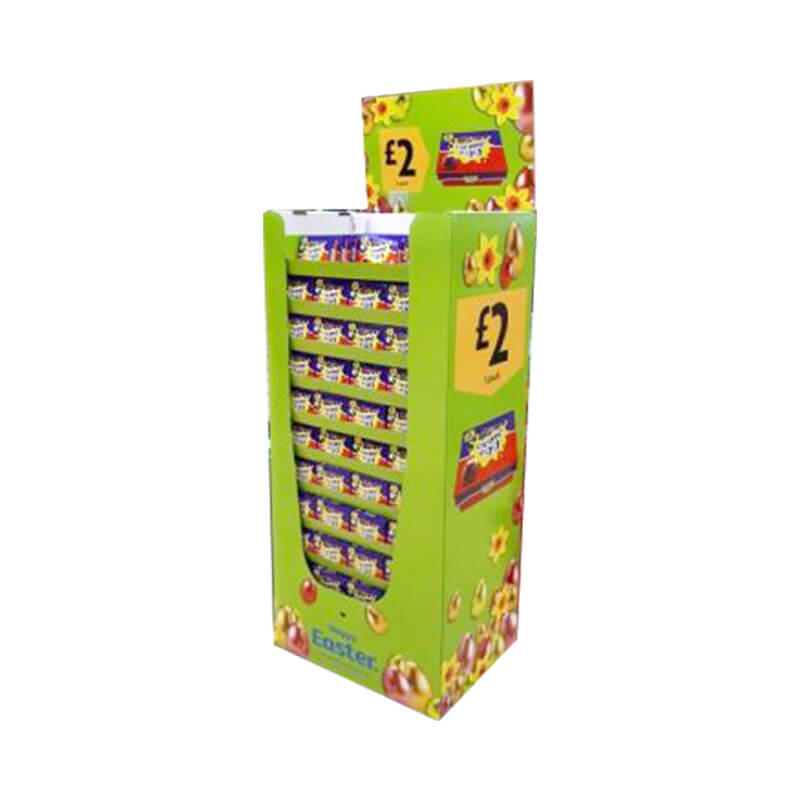
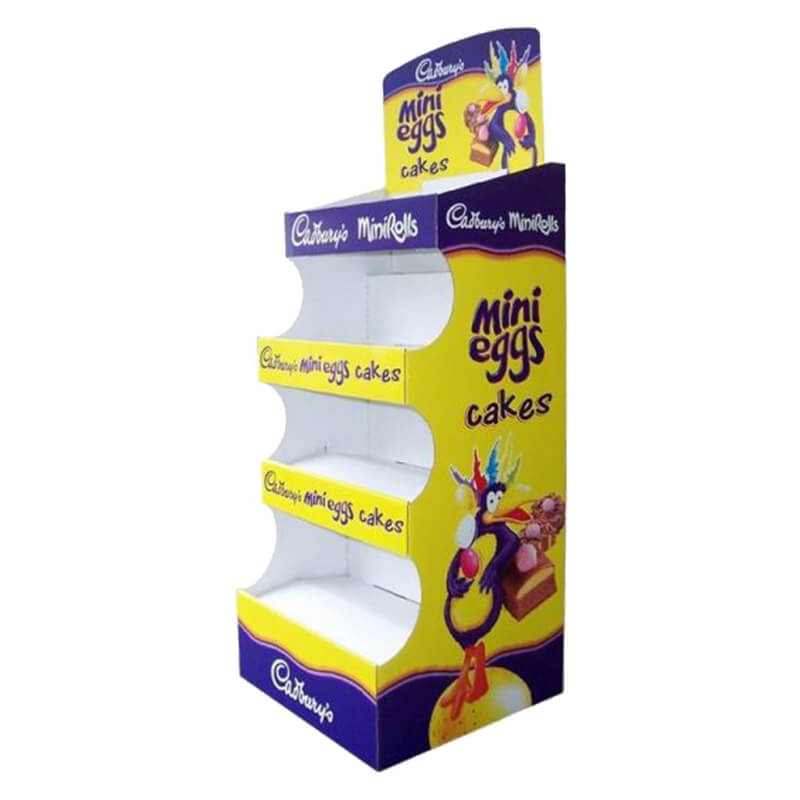
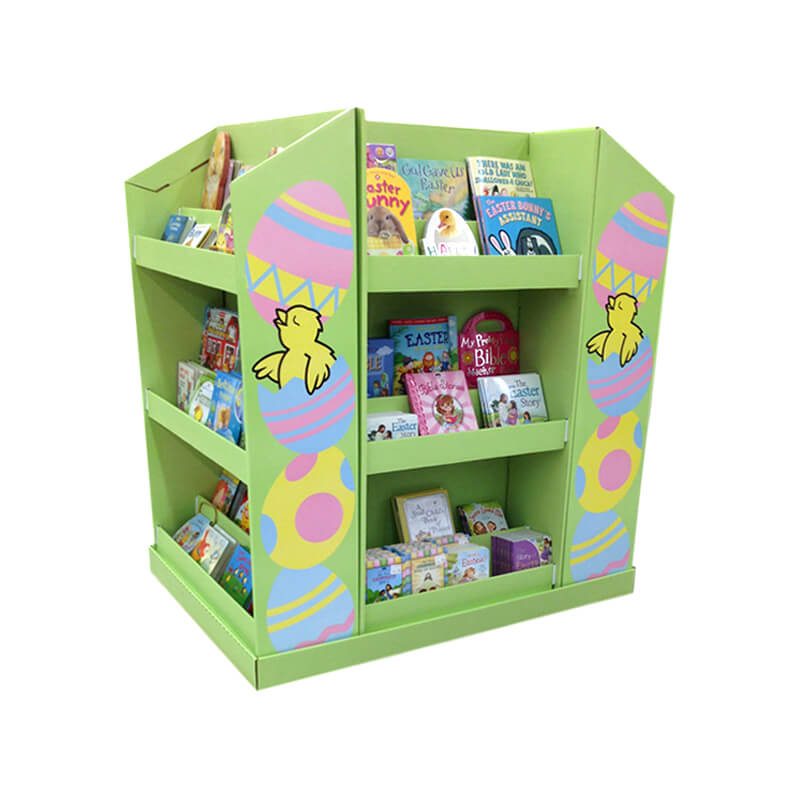
Display of cardboard Easter rabbits These shelves or displays, also known as Easter Bunny Displays, are used to display Easter-related goods, typically with a rabbit theme. They can be used to showcase Easter decorations, toys, candies, and other items in stores, residences, or event spaces.
1. Origin of the Easter Bunny
HISTORICAL BACKGROUND: The Easter Bunny has roots in the ancient Scandinavian and Germanic cultures. The rabbit was associated with fertility and fresh life in these cultures, which is consistent with the spring and Easter themes.
German folklore states that the Easter Bunny brings gifts and colored eggs for kids. Later, this custom extended to other nations and progressively evolved into an international Easter tradition.
2. Meaning of the Easter Bunny
Symbolism: The Easter Bunny represents hope, rebirth, and new life—all of which are major Easter themes. Because of its capacity for reproduction, the rabbit is considered a fertility symbol.
Relevance in the modern era: The Easter Bunny is frequently connected to happiness, family get-togethers, and giving gifts. It also plays a significant role in a lot of Easter decorations and activities.
3. Uses of the Easter Bunny
Festive decoration: People adorn their homes, businesses, and public spaces with images of the Easter Bunny during the Easter season. Toys, hanging decorations, and balloons in the shape of bunnies are typical examples.
Giving gifts: As a holiday surprise, children are frequently given small presents, such as candy and colored eggs, filled by the Easter Bunny.
Roles of the activity: In Easter-themed events like Easter egg hunts, volunteers or adults pose as the Easter Bunny and guide kids in a hunt for eggs that have been hidden.
What are some common designs for Easter bunny displays
| Structure Type |
Description |
Advantages |
Disadvantages |
Suitable Scenarios |
| Single-Level Display |
A flat platform or shelf for placing Easter rabbits and other decorations. |
Simple to use, cost-effective, easy to assemble and disassemble. |
Limited display space, not suitable for a large number of items. |
Small shops, home decor |
| Multi-Level Display |
Multiple tiers of shelves, each capable of holding different items. |
Increases display space, can showcase a variety of products. |
More complex structure, may require more assembly time. |
Medium to large shops, market stalls |
| Themed Backdrop |
A backdrop with Easter patterns and colors, often used in conjunction with a display stand. |
Enhances visual appeal, enhances the festive atmosphere. |
Requires additional space to install the backdrop. |
Shop windows, event backgrounds |
| 3D Shaped Display |
A 3D display stand shaped like an Easter rabbit, such as a rabbit-shaped shelf or box. |
Vivid and interesting, attracts customer attention, increases interactivity. |
Higher production cost, may require customization. |
Mall center, children’s activity areas |
| Rotating Display |
A display stand that can rotate 360 degrees, allowing customers to view items from all angles. |
Increases product visibility, adds interactivity. |
More complex structure, higher cost. |
Center of shops, gift shops |
| Hanging Display |
A display stand that hangs from the ceiling or wall using hooks or other fixtures. |
Saves floor space, suitable for small areas. |
Installation requires mounting hardware, may not be suitable for all environments. |
Small shops, home decor |
| Modular Display |
A display stand made up of multiple independent parts that can be freely combined. |
High flexibility, layout can be adjusted according to the venue. |
Assembly and disassembly may require more time. |
Temporary exhibitions, event booths |
| Interactive Display |
A display stand with interactive elements, such as built-in lights, music, or movable parts. |
Adds fun and interactivity, attracts customers to stay longer. |
Higher cost, may require more maintenance. |
Mall events, children’s play areas |
| Folding Display |
A display stand that can be folded for easy storage and transportation. |
Highly portable, suitable for temporary use. |
May have limited load-bearing capacity, less durable than fixed stands. |
Mobile stalls, temporary promotional events |
| Embedded Display |
A display stand designed to be embedded in walls or furniture, saving space. |
Saves space, aesthetically pleasing. |
Installation requires some technical skill, and the position is fixed, not easily moved. |
In-store embedded displays, home decor |
There are many different types of displays that can be used to display and store the Easter Bunny, and there are many choices of materials to use. However, because of the nature of the festival, these displays need to be easy to customise, quick to produce, low in logistical costs and easy to assemble, more customers choose to use corrugated cardboard displays to display the Easter Bunny.
Easter rabbits display another name is Easter Bunny Display, these shelves or displays used to showcase Easter related merchandise, usually with a bunny theme. They can be used in shops, homes, or event venues to display Easter decorations, toys, candy, etc.
1. Origin of the Easter Bunny
HISTORICAL BACKGROUND: The origin of the Easter Bunny can be traced back to ancient Germanic and Scandinavian cultures. In these cultures, the rabbit was seen as a symbol of fertility and new life, which fits in with the theme of spring and Easter.
Folklore: According to German folklore, the Easter Bunny brings coloured eggs and gifts for children. This tradition later spread to other countries and gradually became a global Easter custom.
2. Meaning of the Easter Bunny
Symbolism: The Easter Bunny symbolises new life, rebirth and hope, which are the central themes of Easter. The rabbit is regarded as a symbol of fertility because of its ability to reproduce.
Modern significance: In modern times, the Easter Bunny is often associated with joy, family reunion and gift giving. It is also an important element of many Easter events and decorations.
3. Uses of the Easter Bunny
Festive decoration: During Easter, people use the image of the Easter Bunny to decorate their homes, shops and public places. Common ones include bunny-shaped balloons, hanging decorations and toys.
Gift-giving: The Easter Bunny is often used to fill up coloured eggs, candies and other small gifts to give to children as a holiday surprise.
Activity roles: In Easter activities such as Easter egg hunts, adults or volunteers dress up as the Easter Bunny and lead children on a search for hidden eggs.
What are some common designs for Easter bunny displays
| Structure Type |
Description |
Advantages |
Disadvantages |
Suitable Scenarios |
| Single-Level Display |
A flat platform or shelf for placing Easter rabbits and other decorations. |
Simple to use, cost-effective, easy to assemble and disassemble. |
Limited display space, not suitable for a large number of items. |
Small shops, home decor |
| Multi-Level Display |
Multiple tiers of shelves, each capable of holding different items. |
Increases display space, can showcase a variety of products. |
More complex structure, may require more assembly time. |
Medium to large shops, market stalls |
| Themed Backdrop |
A backdrop with Easter patterns and colors, often used in conjunction with a display stand. |
Enhances visual appeal, enhances the festive atmosphere. |
Requires additional space to install the backdrop. |
Shop windows, event backgrounds |
| 3D Shaped Display |
A 3D display stand shaped like an Easter rabbit, such as a rabbit-shaped shelf or box. |
Vivid and interesting, attracts customer attention, increases interactivity. |
Higher production cost, may require customization. |
Mall center, children’s activity areas |
| Rotating Display |
A display stand that can rotate 360 degrees, allowing customers to view items from all angles. |
Increases product visibility, adds interactivity. |
More complex structure, higher cost. |
Center of shops, gift shops |
| Hanging Display |
A display stand that hangs from the ceiling or wall using hooks or other fixtures. |
Saves floor space, suitable for small areas. |
Installation requires mounting hardware, may not be suitable for all environments. |
Small shops, home decor |
| Modular Display |
A display stand made up of multiple independent parts that can be freely combined. |
High flexibility, layout can be adjusted according to the venue. |
Assembly and disassembly may require more time. |
Temporary exhibitions, event booths |
| Interactive Display |
A display stand with interactive elements, such as built-in lights, music, or movable parts. |
Adds fun and interactivity, attracts customers to stay longer. |
Higher cost, may require more maintenance. |
Mall events, children’s play areas |
| Folding Display |
A display stand that can be folded for easy storage and transportation. |
Highly portable, suitable for temporary use. |
May have limited load-bearing capacity, less durable than fixed stands. |
Mobile stalls, temporary promotional events |
| Embedded Display |
A display stand designed to be embedded in walls or furniture, saving space. |
Saves space, aesthetically pleasing. |
Installation requires some technical skill, and the position is fixed, not easily moved. |
In-store embedded displays, home decor |
There are many different types of displays that can be used to display and store the Easter Bunny, and there are many choices of materials to use. However, because of the nature of the festival, these displays need to be easy to customise, quick to produce, low in logistical costs and easy to assemble, more customers choose to use corrugated cardboard displays to display the Easter Bunny.