

Custom POP Display: Manufacturing, Strategy, and Future Development
By admin
Dec 29, 2025
In physical retail, where competition is intense and attention spans are short, custom POP displays function as precision sales tools. They operate at the decisive moment—when customers are physically present and ready to buy.
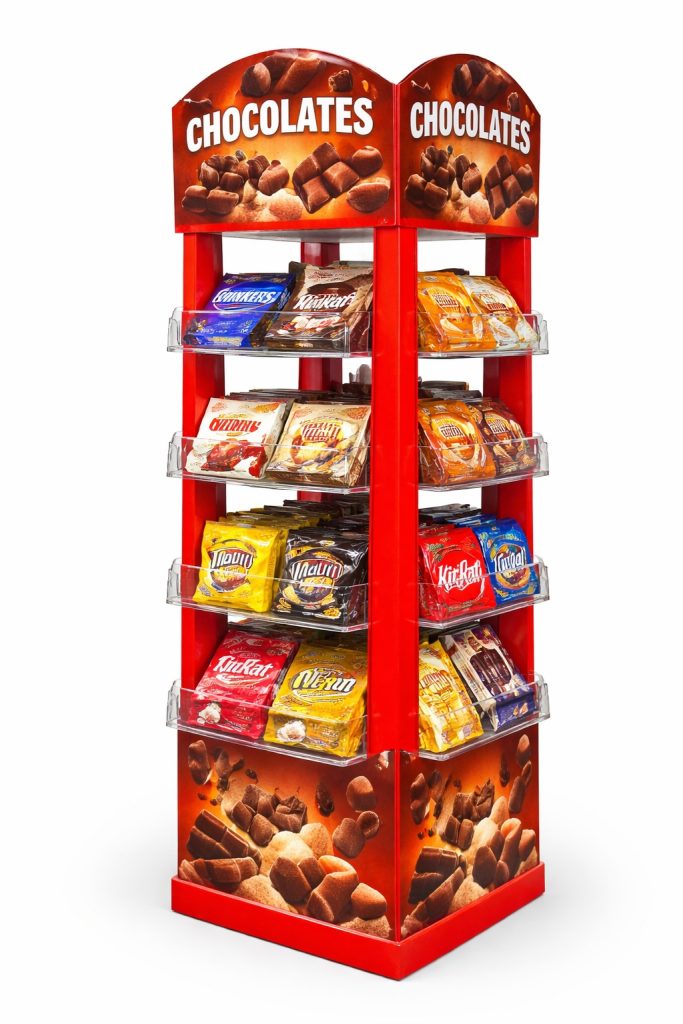
Definition of Point of Purchase (POP) Displays
A POP display is a purpose-built merchandising structure placed at or near the point of purchase to promote specific products, brands, or campaigns. Its primary objective is to influence buying decisions directly within the retail environment.
The Strategic Role of POP Displays in Retail Marketing
Unlike traditional advertising, POP displays convert visibility into immediate action. They bridge marketing strategy and retail execution, ensuring brand messages are delivered exactly where purchasing decisions occur.
What Makes a POP Display “Custom”
Customization vs Standardization
Standard displays offer speed and low cost, but customization delivers relevance. A custom POP display is engineered around product dimensions, brand identity, retail space constraints, and consumer behavior.
Brand-Centric Design Philosophy
Custom POP displays reflect brand tone, values, and positioning. From color selection to material choice, every element reinforces brand recognition.
Functional and Commercial Objectives
Beyond aesthetics, custom displays are designed to maximize stock capacity, ensure structural stability, and optimize shopper interaction.
Core Advantages of Custom POP Displays
Sales Conversion and Impulse Purchasing
Custom POP displays are proven drivers of impulse purchases. Strategic placement and visual hierarchy reduce decision time and increase conversion rates.
Brand Differentiation at Retail Level
In crowded shelves, custom displays create a distinct visual territory, helping brands stand out from competitors.
Cost Efficiency Compared with Traditional Advertising
With long exposure cycles and minimal recurring costs, custom POP displays often outperform digital and print advertising in cost-per-impression.
Main Types of Custom POP Displays
Floor Standing POP Displays
Designed for high visibility and larger product volumes, ideal for promotions and product launches.
Countertop and Checkout Displays
Compact structures targeting impulse buying in checkout zones.
End Cap and Aisle Displays
Premium retail locations that significantly increase product exposure.
Pallet Displays and Dump Bins
High-capacity displays suitable for warehouse retailers and FMCG campaigns.
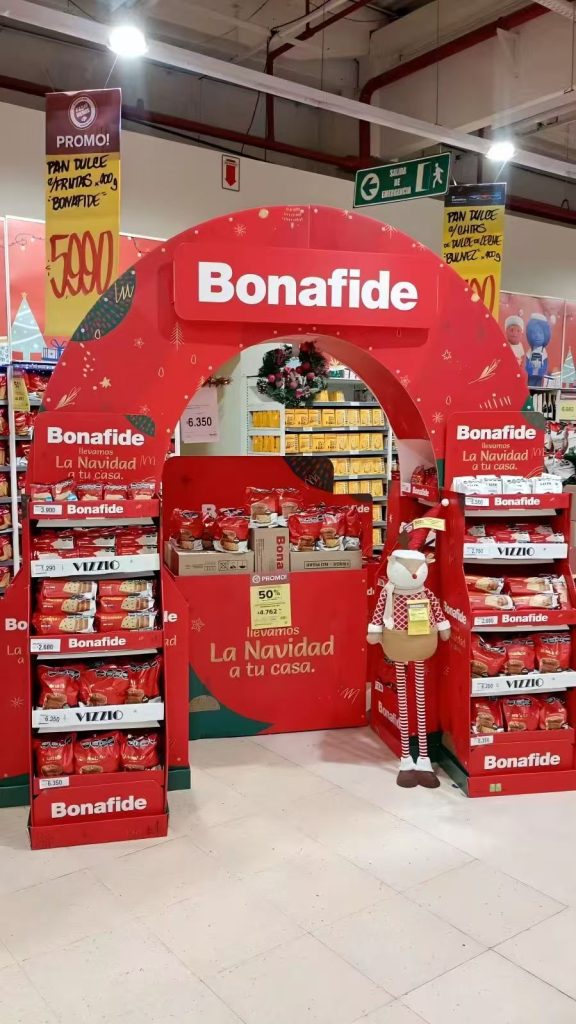
Materials Commonly Used in Custom POP Displays
Corrugated Cardboard and Paperboard
Cost-effective, lightweight, and recyclable—widely used for short-term campaigns.
Acrylic and Plastic Materials
Deliver high transparency and a modern appearance, ideal for cosmetics and electronics.
Metal Structures
Provide durability and load-bearing strength for long-term installations.
Wood and Mixed-Material Displays
Used for premium or eco-focused brands requiring a natural aesthetic.
Material Selection Based on Lifecycle and Budget
Material choice depends on display lifespan, product weight, sustainability goals, and budget constraints.
Custom POP Display Manufacturing Process
Market Research and Brief Development
The process begins with understanding target customers, retail environment, and campaign objectives.
Structural Engineering and CAD Design
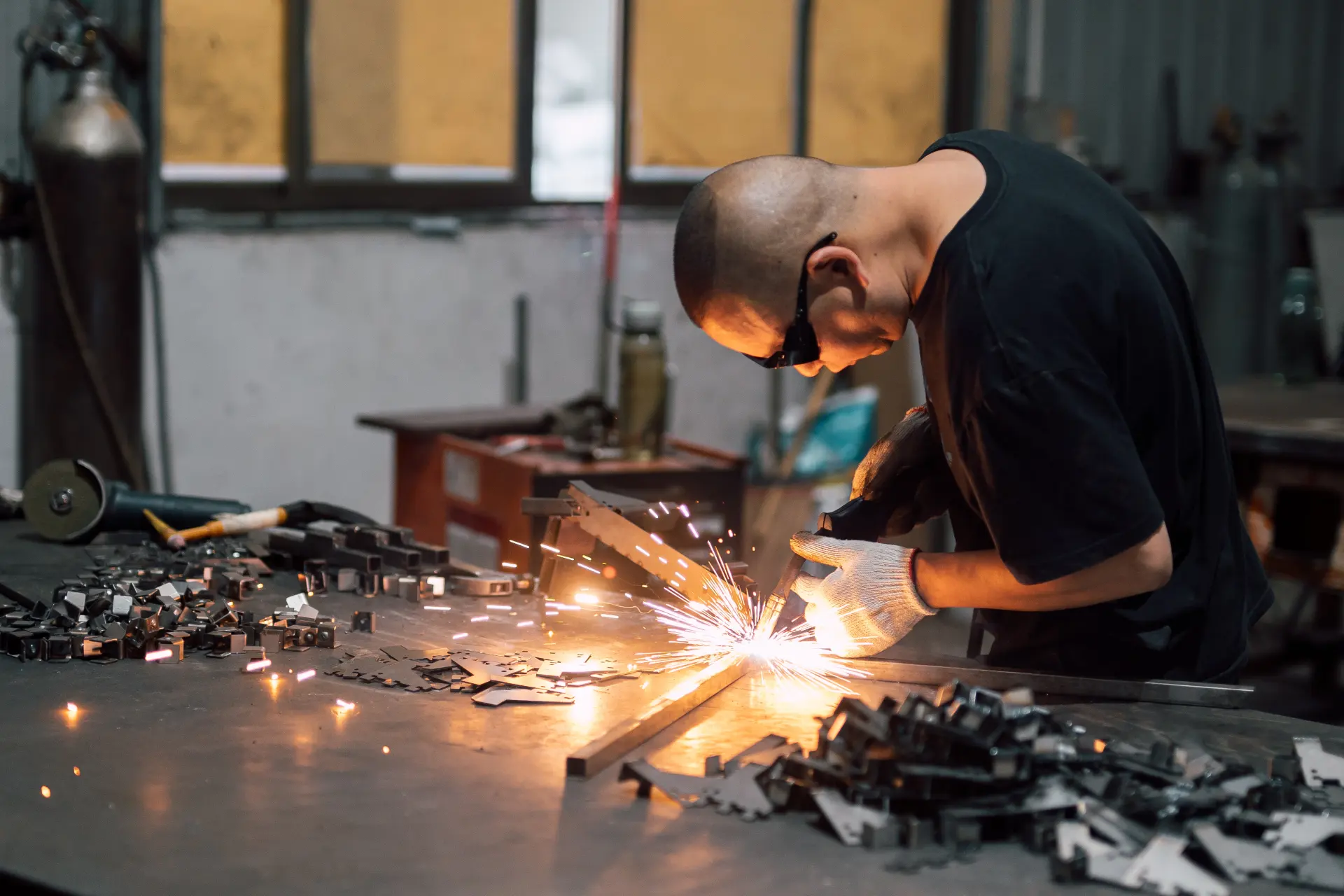
Engineers use CAD software to ensure structural integrity, load capacity, and efficient material usage.
Prototyping and Sample Testing
Physical samples validate design, strength, and assembly before mass production.
Printing Technologies and Surface Finishing
High-resolution printing ensures brand accuracy, while finishes enhance durability and appearance.
Cutting, Assembly, and Quality Control
Precision cutting and systematic assembly ensure consistency across large production volumes.
Packaging and Logistics Optimization
Flat-pack designs reduce shipping costs and simplify in-store installation.
Key Manufacturing Technologies Explained
CNC Cutting and Laser Processing
Ensure high precision and repeatability, especially for acrylic, metal, and wood components.
Offset Printing and Digital Printing
Offset printing suits large volumes, while digital printing enables faster turnaround and customization.
Powder Coating, UV Printing, and Lamination
These finishes improve durability, scratch resistance, and visual appeal.
Design Engineering Considerations
Load Bearing and Structural Stability
Displays must safely support product weight over extended periods.
Retail Safety and Compliance Standards
Compliance with retailer-specific standards is critical for approval and rollout.
Flat-Pack and Easy Assembly Design
Tool-free assembly reduces labor cost and minimizes installation errors.
Custom POP Displays by Industry Application
Cosmetics and Personal Care
Focus on aesthetics, lighting, and premium finishes.
Food, Beverage, and FMCG
Emphasize visibility, accessibility, and fast replenishment.
Electronics and Accessories
Require secure mounting and clear product communication.
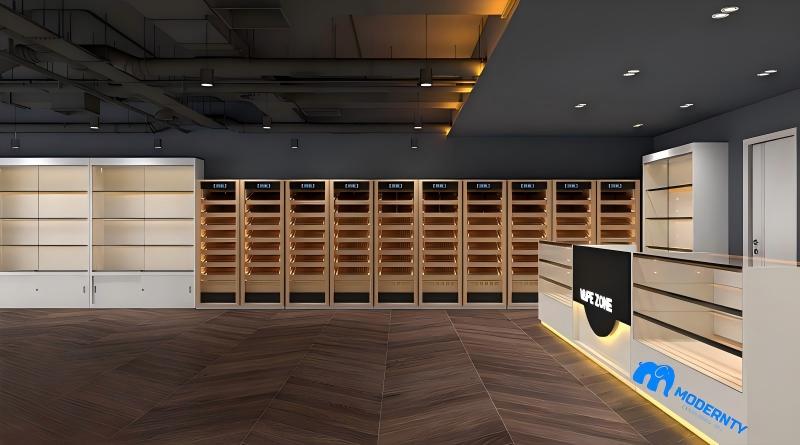
Vape, Tobacco, and Age-Restricted Products
Must comply with regulatory requirements and controlled access.
Medical and Pharmaceutical Retail
Prioritize professionalism, clarity, and hygiene.
Sustainability in Custom POP Display Manufacturing
Eco-Friendly Materials and Inks
Recyclable substrates and water-based inks are increasingly standard.
Reducing Carbon Footprint in Production
Optimized logistics and local sourcing reduce environmental impact.
Circular Design and Reusability
Modular designs allow displays to be reused or reconfigured.
Quality Control and Compliance
Load Testing and Durability Testing
Ensures displays remain stable throughout their lifecycle.
Retailer Standards and Certifications
Meeting global retailer requirements is essential for large-scale distribution.
Consistency in Mass Production
Strict QC processes protect brand image and retail performance.
Cost Structure of Custom POP Displays
Tooling and Setup Costs
One-time costs associated with molds and die-cuts.
Material and Labor Costs
Driven by material choice, complexity, and finishing processes.
MOQ and Scale Economies
Higher volumes significantly reduce unit cost.
Long-Term Cost Performance
Durability and reusability improve overall return on investment.
Choosing the Right Custom POP Display Manufacturer
Manufacturing Capability and Capacity
A reliable supplier must support scaling and consistent quality.
Design Support and Engineering Expertise
Strong technical support shortens development cycles.
Lead Time, Communication, and Reliability
Timely delivery is critical for retail campaigns.
Future Development Trends in Custom POP Displays
Smart and Interactive POP Displays
Integration of screens, sensors, and QR codes enhances engagement.
Modular and Reconfigurable Systems
Brands demand flexibility across multiple campaigns and locations.
Data-Driven and Personalized Displays
Localized messaging and consumer data will guide future designs.
Sustainable Manufacturing Innovation
Eco-design and low-impact production will define future competitiveness.
Conclusion
Custom POP displays have evolved from simple merchandising tools into engineered retail solutions. Through advanced manufacturing processes, strategic design, and sustainable innovation, they continue to shape the future of in-store marketing. Brands that invest in professional, well-manufactured POP displays gain a measurable advantage at the point where purchasing decisions truly happen.
Frequently Asked Questions (FAQs)
1. What is the typical manufacturing lead time for custom POP displays?
Usually 2–6 weeks, depending on complexity and volume.
2. Which material is best for long-term POP displays?
Metal, wood, or mixed-material structures offer the best durability.
3. Are custom POP displays environmentally friendly?
Yes, many are produced using recyclable materials and sustainable processes.
4. Can POP displays be reused for multiple campaigns?
Modular designs allow reconfiguration and extended use.
5. How do manufacturers ensure display quality?
Through CAD engineering, prototyping, and strict quality control procedures.
Previous Article
How to Find a Reliable Vape Cabinet Manufacturer
Trusted by These Featured Clients