

Acrylic Display Stand-Acrylic Hollow Carving Craft
By admin
Sep 22, 2025
Introduction to Acrylic Display Stand Processes
Acrylic (polymethyl methacrylate, PMMA) is a lightweight, highly transparent, and highly malleable organic polymer material. Due to its excellent mechanical properties, weather resistance, and environmental friendliness, it is widely used in commercial displays, home decoration, advertising signs, and artistic creation. Acrylic hollow engraving has rapidly developed in recent years as a sophisticated processing technology. It cleverly combines the inherent light transmittance of the material with the exquisite expressiveness of the engraving process, becoming a highlight in modern craft design and manufacturing. This article will systematically introduce the acrylic hollow engraving process from multiple perspectives, including its definition, development history, technical characteristics, and application areas.
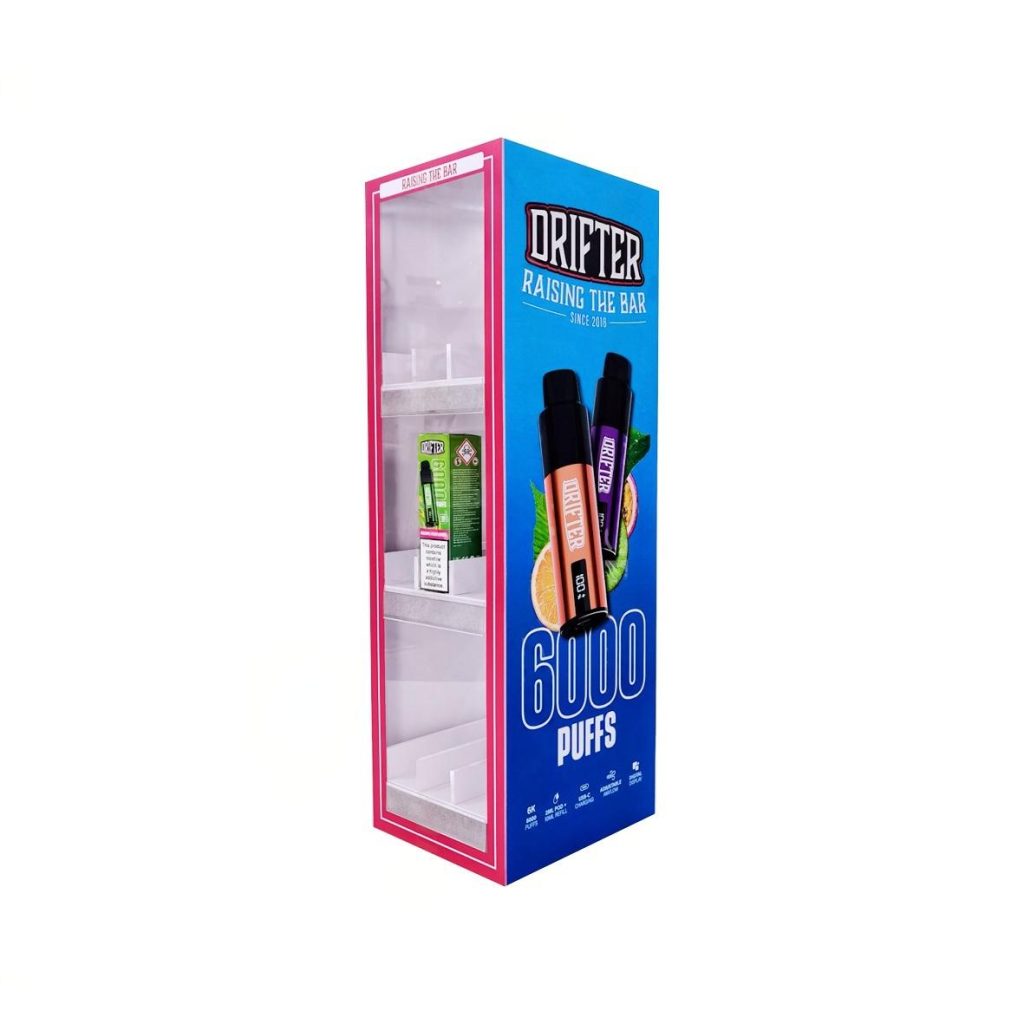
II. Definition of Acrylic Hollow Engraving
Acrylic hollow engraving refers to the process of cutting and engraving acrylic sheets using high-precision CNC equipment (such as laser engravers or mechanical engravers) to create hollow patterns, text, or decorative structures. This process not only retains the high light transmittance and glossiness of acrylic, but also enhances its three-dimensionality and artistic expression through the hollowing process. It is widely used in high-end display and decoration applications.
Based on the processing method, this process can be divided into two categories: laser engraving and mechanical engraving. Laser engraving utilizes a CO₂ laser for non-contact processing and is suitable for complex patterns and fine structures. Mechanical engraving, on the other hand, uses a physical tool to cut and is more suitable for thicker plates and specific shapes.
III. The Development of Acrylic Hollow Engraving
Initial Stage (1980s)
Acrylic hollow engraving initially emerged with the development of the advertising signage industry. Initially, simple mechanical engraving methods were predominant, resulting in low processing efficiency and limited precision. These methods were primarily used for the production of signage and simple display props.
Development Stage (1990s to early 2000s)
With the advancement of laser technology and the widespread adoption of CAD/CAM software, acrylic engraving achieved significant improvements in precision and efficiency. Laser engraving machines gradually became mainstream, capable of achieving more complex patterns and more detailed hollowing effects, expanding their application to retail displays and interior decoration.
Modern Stage (2010-Present)
The maturity of high-power fiber lasers, intelligent control systems, and 3D engraving technology has driven the development of acrylic hollow engraving towards ultra-high precision and personalized customization. Furthermore, combined with LED lighting effects, this process has become even more valuable in art installations and high-end commercial displays.
IV. Technical Features of Acrylic Hollow Engraving
High Precision and High Definition
Laser engraving accuracy reaches ±0.1mm, enabling clear rendering of even the smallest text and complex graphics with smooth, burr-free edges.
Powerful Design Flexibility
Supports personalized customization. Whether it’s corporate logos, artistic designs, or functional structures, software modeling allows for rapid prototyping and mass production.
Outstanding Visual Effects
Combining the inherent light transmittance of acrylic with the diffused light effect of engraving, especially when used in conjunction with lighting, creates a rich, technologically advanced visual experience.
Environmental and Safety
Acrylic is a recyclable material, and the laser engraving process produces no toxic substances, meeting modern environmental standards.
Excellent Structural Performance
After engraving, the finished product maintains high mechanical strength, is impact-resistant, and resists deformation, making it suitable for long-term use.
- Applications of Acrylic Hollow Engraving
Advertising and Signage
Widely used in high-end shopping mall signage, corporate image walls, exhibition stands, and LED light-emitting letter baseboards, the hollow design enhances visual appeal and brand recognition.
Retail and Commercial Display
Used in cosmetics display stands, jewelry counters, product labels, promotional booths, and more, the hollow structure creates a transparent and exquisite display effect.
Art and Decoration
Increasingly used in art creations, interior partitions, decorative panels, trophies, and medals, it achieves a perfect balance of artistry and functionality.
Architecture and Lighting Design
Used as decorative translucent panels, lampshades, stair railings, and other architectural components, it combines light and shadow to create a modern space.
Cultural and Creative and Gift Industry
Personalized hollow business card holders, commemorative plaques, and other cultural and creative products highlight quality and creativity.
Conclusion of acrylic display stand
Acrylic hollow carving, thanks to its excellent material properties and advanced manufacturing technology, has become a vital process in the modern display and decoration industries. With the continued growth of intelligent manufacturing and personalized demands, this technology will further develop towards high precision, integration, and artistic expression, with a broad application prospect.
Acrylic display stands can be customized to your specifications. If you require further information on the specific processing process or require case studies, we can provide detailed technical specifications or actual application diagrams. Modernty can customize retail display stands to your specifications.
Previous Article
What is top bottom box
Next Article
The Versatility of Cardboard Display Stands
Trusted by These Featured Clients